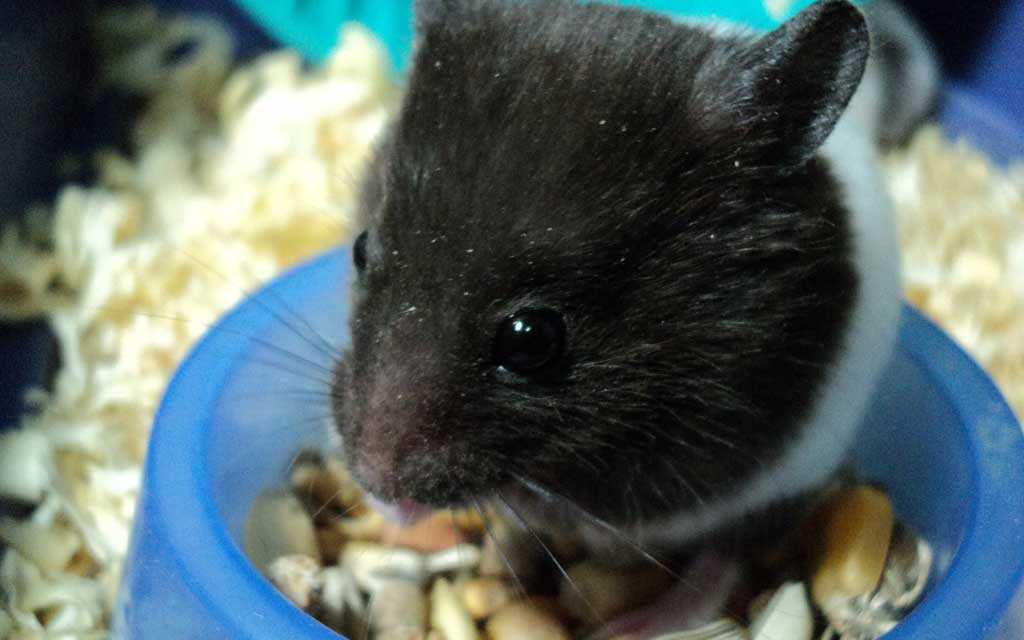
Hamster Food
Having a varied diet, hamsters are small rodents that eat almost everything. Whether it’s herbs, grains, vegetables, flowers, seeds, fruits, insects, and more, your hamster enjoys all kinds of food. Considered an omnivore with a vegetarian tendency, it can even eat small mammals.
Hamsters also need proteins to stay healthy. It is therefore important to provide rich and varied food throughout the year to ensure the proper growth and well-being of your hamster. Here are some tips on feeding your small rodent.
Food for a Hamster
A hamster’s diet must meet its energy needs. These needs largely depend on its daily physical activity. The amount of food required varies from one species to another. A lazy hamster that exercises less and spends most of its time resting will not need the same amount of energy as an active one that runs on its wheel, climbs, and engages in other activities in its cage.
Generally, a hamster needs 15% protein, 5% fat, and half a dozen vitamins. A hamster’s food should also contain minerals such as phosphorus, calcium, potassium, magnesium, and zinc. Your hamster needs a rich and varied diet. Note that seeds are a hamster’s favorite food. Whether you have a dwarf hamster, golden hamster, Russian hamster, or another breed, its diet should primarily consist of a granular mix (about 15g per day).
It is best to prioritize dry food, such as pellets, for your hamster, as they effectively meet its nutritional needs. You can complement these pellets with animal-based foods and other types of food according to your hamster’s preferences. Adapt the food to your hamster while feeding it according to its dietary needs.
- Russian Hamster Diet
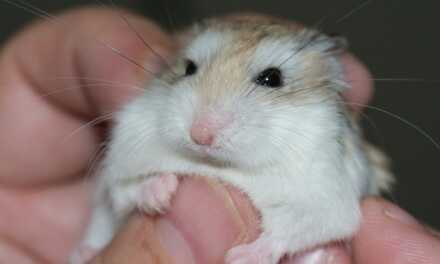
Easy to care for and visually appealing, the Russian hamster has gained popularity as a pet. Its diet is primarily based on seeds. It also enjoys insects, fruits, and vegetables. The diet of an adult Russian hamster differs from that of a baby.
For an adult hamster, its diet consists of seeds, proteins, nuts, fruits, and vegetables. Here is a list of foods for a Russian hamster: barley, sunflower seeds, sorghum, safflower, corn, crickets, grasshoppers, arachnids, carrots, spinach, bananas, apples, etc. Some foods can be harmful to your Russian hamster’s health. Consuming them may cause diarrhea and vomiting. Avoid giving your pet the following: lettuce, orange, lemon, mandarin, lime, onion, and potato.
- Golden Hamster Diet
The golden hamster is the most popular. Dry foods are an essential component of its diet. As a rodent, it primarily feeds on grains. The golden hamster eats about 12g of food per day. For its diet, avoid dry foods meant for other rodents like rabbits or guinea pigs, as they are pure herbivores.
Your golden hamster needs a varied diet. You can add foods such as fruits, vegetables, flour, or other greens to its grains. Avoid giving it foods containing sugar, as these can cause diarrhea.
- Dwarf Hamster Food
As its name suggests, this is a tiny and adorable rodent. It needs a balanced and healthy diet. The dwarf hamster’s diet is similar to other hamster breeds. Its diet is based on seeds, such as pellets and crushed corn. It particularly needs a protein-rich diet.
Additional foods include fresh fruits, vegetables, and filters. A dwarf hamster needs about 6 to 8g of food per day. You can also provide foods such as small dog biscuits, whole wheat bread, and boiled eggs. It is important to feed it at the same time each day, especially at night. Avoid giving it foods that could cause illness, such as watermelon and overly sugary foods.
Which Fruits or Vegetables for My Hamster?
Fruits and vegetables help easily vary your hamster’s diet. They are a great source of vitamins. Before giving these to your pet, take the time to wash them thoroughly. Lettuce and salad are well-liked by hamsters and are rich in nitrates.
You can also give it broccoli or kohlrabi, but in small quantities. Adjust the amount of food based on your hamster’s energy needs. Avoid feeding your hamster cabbage, beans, peas, and fava beans, as these cause bloating. Provide mainly dry foods. Regarding vegetables, you can offer tomatoes (only ripe and seedless, as seeds are toxic), carrots, yellow peppers, squash, and beets. Hamsters’ favorite fruits include apples, melons, strawberries, and dried bananas. Avoid fruits with pits and exotic fruits such as pomegranates or papayas. Since fruits and vegetables are complementary foods, they should not be given too often.
What Seeds Can a Hamster Eat?
Sprouted seeds are highly appreciated by hamsters (especially dwarf hamsters) and are an excellent source of vitamins and energy. There are two ways to feed your hamster seeds. You can make a granular mix, providing about 15g per day (8g for a dwarf hamster).
Do this only once a day. You can also use pellets, which meet all of your hamster’s dietary needs. Be careful, as pellets spoil after six months. Pellets are the preferred seeds for a hamster’s diet as they support its growth and development. Additionally, you can include corn seeds, peas, etc.
Hamster Treats
You love your hamster and want to give it treats. However, be aware that these products are too sugary and too fatty for your hamster. This can lead to weight gain or even obesity. In addition to these treats, milk and chocolate are also prohibited.
It is therefore not recommended to buy treats found in pet stores. Instead, you can give it a small piece of cheese or a small piece of white ham. It is also possible to make homemade treats for your hamster.
Can You Give Chocolate to a Hamster?
Many people occasionally give small pieces of chocolate to their pets without knowing the harm it can cause. Chocolate can be life-threatening for pets, including hamsters. Consuming it can cause various symptoms, including digestive, nervous, and cardiac issues, among others.
Hamster Kibble
Kibble is not the most suitable food for hamsters. However, it is not completely forbidden. Kibble serves as a complementary food for your hamster. Hamsters like to forage, store, and select their food while moving. However, feeding them kibble conditions them to eat without thinking, which can be detrimental to their instincts and lead to boredom. It is better to favor more natural foods for your hamster’s diet.
Homemade Hamster Food
Homemade food for your hamster helps save money and reduces food waste. It is important to maintain proper proportions when mixing different ingredients. A homemade diet can include a variety of foods.
You can use grains, seeds, dried vegetables, dried herbs, nuts, and slightly fattier seeds. Recommended seeds include hemp, flax, poppy, and sesame. You can also add lipid-rich foods such as walnuts, hazelnuts, and sunflower seeds. Be careful with the quantity.
For grains, options include oats, wheat, barley, and buckwheat. You can also add tomatoes, cucumbers, beets, carrots, peppers, and broccoli, which are rich in water. When preparing homemade food, avoid dried fruits, as they contain too much sugar. Offer homemade food to your hamster at most once a week.
Live Food for Your Hamster
In addition to seeds, fruits, vegetables, greens, and other foods, it is also possible to feed your hamster small animals such as insects, small birds, or their larvae. Besides mealworms, you can also give your hamster crickets, white maggots, or grasshoppers. Live food can be provided once a week.
Your Hamster’s Water
Water is essential for your hamster’s diet. It should be changed regularly, preferably daily. The water should be at room temperature. Avoid giving very cold water (no water straight from the fridge). To store water, you can use a bottle or a bird water dispenser, which allows your hamster to drink in a more natural position than with a bottle.
Foods Not to Give Your Hamster
Some foods are not recommended for hamsters. These foods can be toxic or contribute to obesity. They include:
- Green sprouts on tomatoes
- Beans
- Chocolate
- Tobacco
- Fool’s parsley
- Hemlock
- Raw egg
- Raw meat
- Citrus fruits
- Garlic
- Eggplant
- Buttercup
- Acorn
- Bluebell
- Bindweed
- Alcohol
- Coffee
- Fruit seeds (cyanide can be fatal)
- Large amounts of sunflower seeds and peanuts
- Laburnum
- And others…