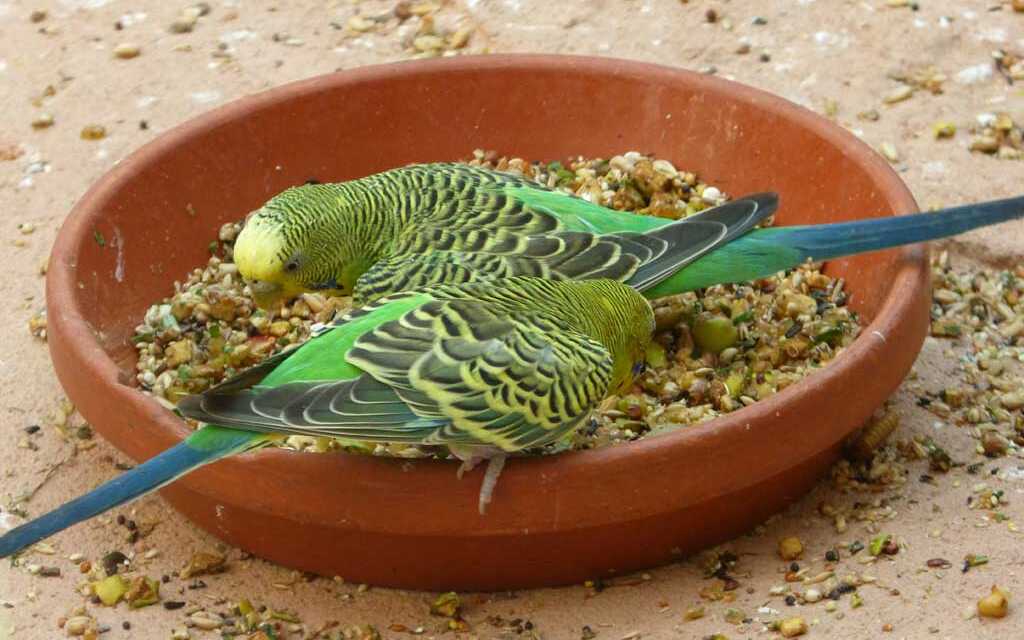
Budgie Food
Providing a pleasant living environment for your budgie, a pet bird, is the desire of every owner. In addition to this suitable environment, your budgie also needs a healthy diet to stay happy and in good health. Talking about a healthy and balanced diet means providing your budgie with the nutrients it needs daily.
Frugivore, vegetarian, insectivore, granivore, and others, the budgie has a diet that includes a large number of essential elements for optimal health. Therefore, poor nutrition could be fatal for your pet bird. But if you feed it correctly, it will have a healthy and happy life.
Budgie Diet
Knowing that a good diet provides several benefits for a bird, such as increased lifespan, improved feather beauty, strengthened immune system, and avoiding overweight, budgie food must be varied and rich in vitamins, fibers, proteins, minerals, and trace elements.
Your budgie thus needs a diet composed of vegetables, raw fresh fruits, mineral blocks, clay, sprouted seeds, and young shoots. These birds have eclectic tastes. A good mix of dried and sprouted seeds combined with fresh foods can provide a large part of the necessary nutrients for its body.
It is more advantageous to ensure the food of a baby budgie or an adult budgie with products from organic farming. Because chemical residues could harm your budgie’s well-being. Regarding feeding frequency, know that the budgie can become seriously ill if it does not eat for 24 hours, which is why you must ensure it has food at all times.
Basic Budgie Diet
- Seed Mix: Being primarily granivorous, seed mix is the primary staple food for budgies. This mix is rich in minerals, trace elements, and vitamins. It should predominantly contain health seeds, such as oats, canary seed, flaxseed, sesame, which are rich in nutrients.
- Fresh Vegetables and Fruits: Essential for sufficient provitamin A intake, fresh fruits and vegetables are very important for cell development, bone growth, and strengthening the immune system. They also play a role in preventing cardiovascular diseases in budgies.
- Sprouted Seeds: Highly nutritious, sprouted seeds are rich in vitamins, minerals, proteins, enzymes, chlorophyll, and trace elements. Their nutritional value exceeds six hundred percent of the initial value.
- Extruded Pellets: Crushed and cooked at high temperature, extruded seeds come in pellet form. These complement foods prevent deficiencies and the risk of fatty liver disease in budgies.
- Berries, Grasses, and Plants: They promote cell development, bone growth, and strengthen the immune system by providing vitamin A. They also contain chlorophyll, which has oxygenating, detoxifying, and antioxidant effects beneficial to the circulatory system.
Little Extras for Budgie Food
- Egg Food: This is a food made with honey, seeds, and eggs. A fortifying food, it is recommended for baby budgies, during breeding periods, and also during molting. Egg food is rich in vitamins, fats, proteins, enzymes, and minerals.
- Spirulina: These are microscopic algae rich in minerals, trace elements, vitamins, provitamin A, essential amino acids, and a high protein content (60%).
- Vitamins and Mineral Blocks: Rich in iron, magnesium, potassium, manganese, selenium, iodine, zinc, and vitamins A, B1, D, and C, vitamins and mineral blocks ensure the proper functioning of the body. They are important for maintaining muscle contraction, blood coagulation, bone tissues, and egg calcification.
There are several types of blocks available, such as vitamin blocks, clay blocks, and iodine blocks. Each of these blocks provides specific elements to the budgie’s body for its well-being.
Some Budgie Species and Their Diet
There are several species of budgies. The most common and adopted are the budgerigar, cockatiel, and ring-necked parakeet. Let’s try to talk about the diet of these different budgie species.
- Diet of a Ring-necked Parakeet
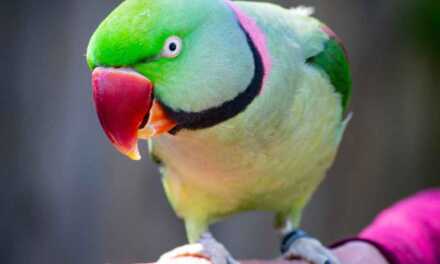
A rather robust bird with a distinctive call “whistling or chattering,” the ring-necked parakeet has a diet composed of a wide variety of plants. These include sprouted seeds, cereals (rice, quinoa, etc.), greens, flowers, fruits (berries), as well as nuts (almonds, walnuts, etc.).
- Diet of a Cockatiel
The diet of a cockatiel varies, as its energy needs are not the same throughout the year. These birds enjoy vegetables, fruits, and other foods. For feeding a baby cockatiel as well as an adult, you can offer vegetables such as carrots, endives, broccoli, lettuce, lamb’s lettuce, tomatoes, cooked potatoes, peas, lentils, and dandelions.
These are highly appreciated by the cockatiel. You can also offer fruits daily, including strawberries, mangoes, melons, bananas, grapes, cherries, raspberries, peaches, pears, apricots, etc., but in moderation since they are sugary. Beyond fruits and vegetables, your cockatiel also enjoys foods such as cooked rice, cooked or raw pasta, fresh corn, plant-based milk, plant-based yogurt (plain or fruit-flavored soy).
Favorite treats, like millet sprays, sunflower seeds, peanuts (to be given very rarely), live or dried insects (particularly larvae), fruit juice, egg food, dry biscuits, dried fruits, compote, milk, or yogurt, can be given to your cockatiel occasionally and in small quantities.
The mash for a baby cockatiel should be made with egg. You should avoid giving your bird foods such as: avocado, alcohol, onions, raw potatoes, mushrooms, milk (lactose), sodas. Especially anything containing caffeine or other stimulants.
- Feeding a budgerigar
A bird with a varied diet, the budgerigar is a domestic pet that loves seeds, fruits, vegetables, as well as certain treats. The diet of a budgerigar should be rich in vitamins, minerals, fiber, proteins, and trace elements. Varying the food for a budgerigar is very important, as it helps maintain its digestive system.
So, you should vary the types of seeds you give it. Make a mix using milky and semi-ripe seeds, dry seeds, and sprouted seeds. There are ready-made mixes of dry seeds that are suitable for different bird species. For milky and semi-ripe seeds, these include barley, corn, oats, buckwheat, or wheat. Sprouted seeds are very important for feeding your budgerigar as they are rich in vitamins A, B, and C. Your budgerigar’s diet should also contain fruits and vegetables, which are highly appreciated by them. These include endives, carrots, spinach leaves, apples, kiwis, pumpkins, nuts, etc. You can also add rice, corn, flax seeds, chia, peanuts, squash, sunflower seeds, and sesame seeds.
Do not hesitate to offer it treats from time to time, such as millet, corn, and sunflower seeds, which are its favorites. For feeding a baby budgerigar, use mash. The quantity varies from one species to another. However, the ideal age to start hand-feeding is between 2 and 3 weeks.
What are the dietary differences between budgerigars and cockatiels?
Budgerigars and cockatiels have similar diets. However, there are a few exceptions.
- Budgerigars
Millet spray, sunflower seeds, sesame, flaxseed, oats, quinoa, wheat, oatmeal, spelt, alfalfa, barley, live or dried insects (especially larvae), apple, pear, peach, apricot, strawberry, cherry, raspberry, melon, mango, banana, grape, dried fruit, eggplant, broccoli, carrots, celery, chicory, cucumber, corn, turnip, peas, dandelions, bell peppers, pumpkin, radish, sorrel, chickweed, shepherd’s purse, plantain, clover.
- Cockatiels
Millet spray, sunflower seeds, quinoa, buckwheat, lentils, oatmeal, spelt, alfalfa, barley, live or dried insects (especially larvae), apple, pear, peach, apricot, strawberry, cherry, raspberry, melon, mango, banana, grape, dried fruit, nectarine, fig, apricot, nectarine, cherry, papaya, strawberry, eggplant, broccoli, carrots, celery, chicory, cucumber, endive, spinach, fennel, green beans, corn, turnip, peas, dandelions, bell peppers, pumpkin, radish, sorrel, chickweed, shepherd’s purse, plantain, clover.
What is not recommended for your parakeet’s diet
Consumption of these various foods by your parakeet, regardless of species, can cause illness and even death of the bird.
- Meat
- Deli meats
- Chocolate
- Tea
- Coffee
- Dairy products
- Acidic fruits (lemon, orange, clementine, …)
- Avocado
- Parsley
- Raw potatoes
- Onion
- Garlic
- Cabbage
- Shallot
- Mushrooms
- Citrus fruits
- Rhubarb
- Beetroot