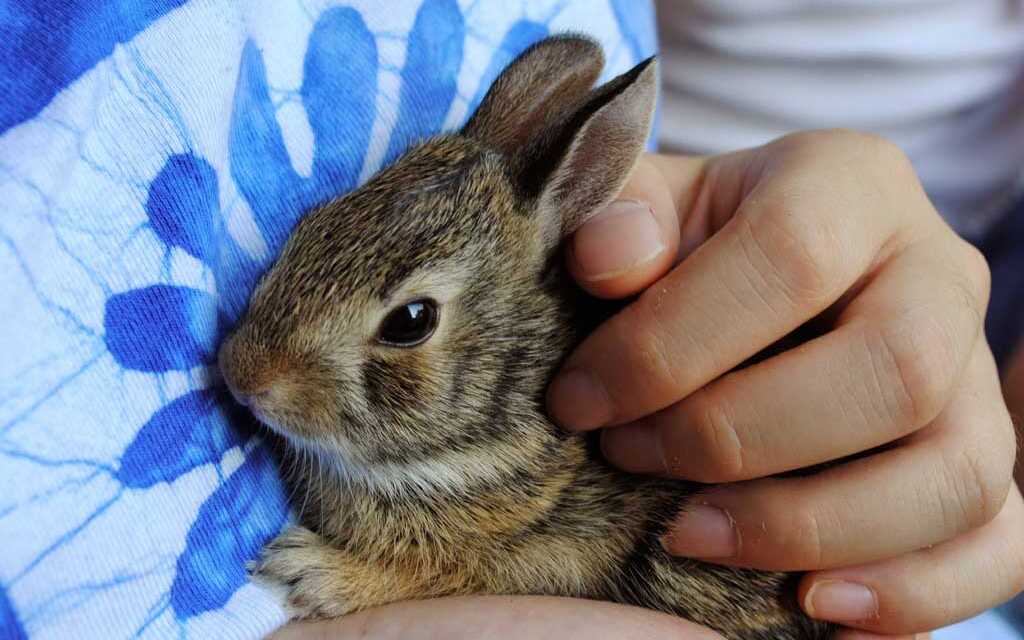
Washing Your Rabbit
Once you tame a rabbit as a pet, you may sometimes wonder: Can you wash a rabbit? How do I keep my rabbit clean? These are very important questions.
Getting the answers to these questions will help you take better care of your rabbit for its well-being. Generally speaking, a rabbit does not need a bath because it is naturally clean. However, in some cases, a bath may be necessary.
Can you wash a rabbit?
The answer to this question has two aspects. One could say “yes and no” because there are exceptions to washing your pet.
- A healthy rabbit does not need a bath
Like a cat, a rabbit is a rodent that spends a large part of its day grooming itself. It is an animal that hates water. So, if you have no reason to bathe your rabbit, avoid doing so.
It is highly stressful for them to have their paws submerged in a bathtub or sink. From time to time, you can observe your furry friend grooming itself, as these are very pleasant moments.
When should you clean your rabbit?
Should you wash your rabbit? Several situations may require you to bathe your rabbit. If your rabbit has urinary problems, a disability, or diarrhea, it will be important to clean them.
Also, don’t forget to contact a veterinarian to check your pet’s health. In such a state of incapacity, you may notice your rabbit pulling out fur around soiled areas in an attempt to become clean again. Having a dirty body is very uncomfortable for them.
How do I keep my rabbit clean?
If your rabbit is in one of the situations mentioned above, then washing your rabbit is necessary. However, you should not simply submerge the animal in a bathtub, give it a shower, or run a bath.
Whether you have a dwarf rabbit or a lop-eared rabbit, bathing should be done thoughtfully, with gentle gestures to minimize your rabbit’s anxiety. Washing a lop-eared or dwarf rabbit requires the use of lukewarm water in a sink.
Gently clean the soiled areas with a glove. Place a towel in the sink or bathtub to prevent your rabbit from slipping. Use a fresh towel to dry your rabbit quickly to prevent them from getting cold.
When washing a lop-eared or dwarf rabbit, it is also important to avoid wetting their head to protect their eyes, ears, and nose from the cleaning product. It is best to bathe your pet in the spring to avoid the risk of cold exposure.
What products should you use to wash your rabbit?
Do not use the shampoos you use for your own baths at home. There are dry shampoos specifically designed for pet care. You can find these in pet stores. Ensuring your pet’s well-being, dry shampoo helps prevent the stress associated with bathing.
Cleaning the Rabbit’s Cage
Why clean the cage?
Keeping an animal in captivity means providing it with a clean living environment that allows it to grow in good health. The cage, where it spends most of its life, must be clean. Although it meets all its needs, this space inevitably becomes dirty and uninhabitable.
This dirt can lead to the spread and multiplication of bacteria and other harmful elements that could affect your rabbit’s health. It is important to maintain your rabbit’s environment to prevent diseases.
Replacing your pet’s litter reduces bad odors, even though rabbits are naturally clean rodents. The accumulation of urine and feces in the litter can cause irritation to your rabbit’s paws if not cleaned properly.
How to clean the rabbit’s cage
Cleaning should be done in several steps. You must perform a thorough, effective, and quick cleaning to restore your rabbit’s environment as soon as possible.
- Take the rabbit out of the cage.
- Remove all accessories from the cage.
- Completely dispose of the litter (after a maximum of two days).
- Rinse the cage with water, scrub it, and disinfect it.
- Wash and disinfect the accessories.
- Rinse the cage and accessories with clean water.
- Put the accessories back in the cage, starting with the litter.
- Return your rabbit to its cage.
This cleaning should be done at least once a week. As for the litter, it should be partially changed every two days.
Cleaning Supplies
- A large and a small shovel.
- An old sponge with a scrubbing side.
- A cloth.
- White vinegar.
- Floor cleaner or bleach (antibacterial).
- A disinfectant product (virucidal, bactericidal, and fungicidal) specifically for rabbits.