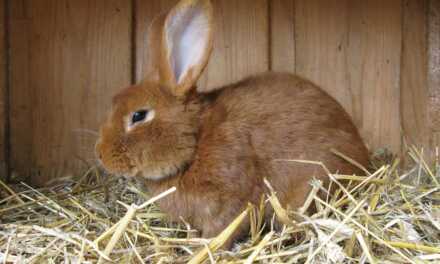
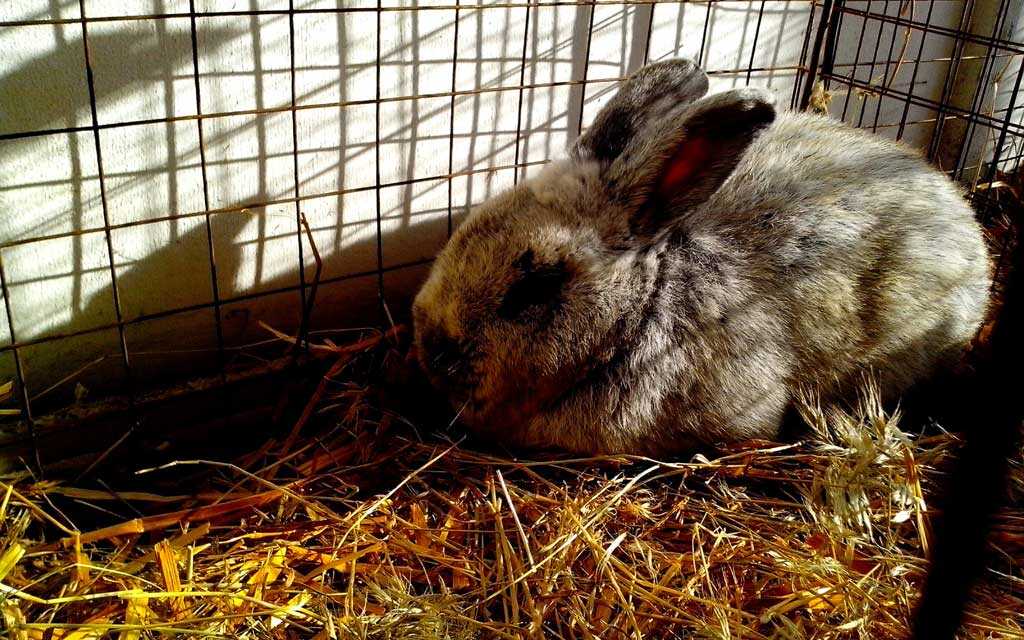
Le rabbit, a sociable and harmless animal, is increasingly loved by many people, especially children. It loves petting as well as playing. When tamed, your pet needs a space to live.
A place that will ensure its well-being. Your rabbit, which loves to move around a lot, will especially need a spacious and comfortable place. You can therefore choose a cage for your rabbit. On the market, there is a very wide selection available.
This sometimes makes it difficult for you to choose a cage for your rabbit. Several criteria can help you make a good choice.
The different types of rabbit cages
These are rabbit cages made from different types of materials. You can find them in various sizes. There are large cages as well as small ones.
- The wooden cage
The wooden cage is loved by some people because of its sturdiness, aesthetics, and warm and friendly color. It is an elegantly designed rabbit cage. The wooden cage is more recommended for outdoor installation. Generally, being not too large, the wooden cage does not provide an adequate space for all rabbit sizes.
It is generally a small cage. One could say it is a dwarf rabbit cage. Moreover, wood tends to absorb your rabbit’s urine, which can cause odors. The accessories installed in this cage will not take long before seeping and deteriorating.
- The plastic cage
The plastic cage is more recommended for rabbit breeding. Known for its sturdiness, ease of maintenance, and fine details, it is resistant to all conditions. It is also an elegantly designed rabbit cage.
Most of them are detachable plastic cages, making them easier to transport and clean. It allows air circulation through the side bars. Thus, it is a dwarf rabbit cage. Available in various sizes, you can find rabbit cages of 100 cm (1 m) or 120 cm, and others.
- The plexiglass cage
With its great design, it is an elegantly designed rabbit cage. However, the plexiglass cage does not allow good ventilation and aeration of your rabbit’s living space. There is no air renewal in this type of cage.
As a result, the ammonia contained in the excrement can cause significant damage to your pet’s respiratory system. Additionally, the greenhouse effect produced by the enclosure can intensify if the temperature rises.
This glass prison can, therefore, turn into a pyrolysis oven. This type of cage is not recommended since rabbits are sensitive to temperature variations. You can find them in different sizes, such as 100 cm (1 m) or 120 cm rabbit cages, etc.
These different types of cages can be either mobile or stationary. They are also available in different sizes.
- The wheeled cage
The wheeled cage, which resembles the classic rabbit cage, is a rabbit hutch. It can be made of wood or metal. As the name suggests, it has wheels that make it easy to move with its four swiveling wheels.
You can move it indoors or outdoors. Sturdy and aesthetic, the wheeled cage is easy to maintain. It is available in both small and large sizes, including 100 cm (1 m) or 120 cm cages and more.
This cage provides a large space for your rabbit. You can opt for a two-story cage for two rabbits. It costs around a hundred euros on the market. However, it is possible to build one at home.
- The standing cage
The standing cage is an elegantly designed rabbit cage. While aesthetically pleasing for indoor use, it is not very practical. You can find them in different sizes, including 100 cm (1 m) or 120 cm cages and more. This type of cage requires you to bend down for all interactions with your pet.
Therefore, if you have back problems, this cage will not be suitable for you. Your rabbit needs to go in and out, enjoy the coolness of the floor, and be sheltered from noise. However, with this elevated cage, that will not be possible.
You need to open your pet’s cage at least 3 to 4 hours a day so it can move around freely inside your home and jump as it pleases. It will be very difficult to do all of this with a standing cage.
- The XXL large cage
The XXL large cage is also called the double cage for two rabbits. It is a practical cage. Your rabbits will have a sufficiently large floor space and will also be able to move around freely, thrive, and play.
It could be considered a duplex apartment for rabbits. It is an elegantly designed rabbit cage. Although the individual sections are not very large, the presence of multiple levels compensates for this issue. The XXL large cage is more intended for outdoor installation.
Where to place your rabbit’s cage?
When setting up your rabbit’s cage, you have two options.
- The indoor rabbit cage
Choosing an indoor cage means opting for a cage whose size will fit in your living room or another room in your house. You will not clutter your home with your pet rabbit.
So, your choice may be a small indoor rabbit cage if you do not have much space. With this cage indoors, you need to balance your family life with that of your pet.
It is possible to opt for a multi-level cage, plastic, wood, or other materials. Everything will depend on your budget and the number of rabbits you want to adopt. The size of an indoor rabbit cage can exceed 1.40 m.
You can choose a rabbit cage of 100 cm (1 m) or 120 cm. If you live in a small apartment, you will need to carefully select the accessories for your pet.
Generally, cages designed for indoor use are made of plastic with a wire mesh top. They come in various colors on the market: pink, blue, gray, white, black, green, etc.
- The outdoor rabbit cage
Outdoor rabbit cages are sometimes installed in gardens. It is a great idea if you choose an outdoor rabbit cage because it allows your rabbit to exhibit natural instincts and fulfill its needs accordingly.
Your rabbit will be able to live more naturally by digging, running, and jumping freely. However, in this setting, you must be very cautious. Your pet needs protection from predators, the sun, and drafts. Therefore, a well-secured enclosure is necessary.
The transport cage
Designed to ensure the transportation of your rabbit by car, boat, train, or plane, choosing a transport cage is essential. It must be comfortable for both your rabbit and yourself.
There is a wide variety of transport cages available on the market, including rigid plastic transport cages, fabric cages, and pet carrier bags. You can make your choice based on your preferences and budget.
The homemade rabbit cage
If you have the necessary tools, it is possible to build a cage for your rabbit according to your own needs. This allows you to have a cheaper cage that is also well-suited to your pet’s well-being. Be sure to choose the right materials. Wood, which is strong and ideal, especially for outdoor cages, would be a good choice.
It is also easy to handle, making it simpler to build a homemade rabbit cage. You can also use wood to make the frame. Plastic is another material available on the market for building a cage, especially for an indoor rabbit cage.
Second-hand rabbit cage for sale
Selling a second-hand rabbit cage means providing all the essential information about the cage. This includes its size, overall condition (good/bad), the accessories it comes with, and, of course, the selling price.
Cheap rabbit cage prices
On the market, rabbit cages come at different prices. These prices consider various factors such as material, size, and additional components.
You are probably aware that the price of a cage reflects its quality. The more expensive the cage, the more likely it is to last for several years. A quality cage typically costs between 80 and 150 euros.