Ferrets are curious, energetic little creatures that require a specialized diet to stay healthy and thrive. As obligate carnivores, their nutritional needs are unique compared to other pets. It’s essential to understand what ferrets can and can’t eat to ensure they receive the best care possible. In this post, we’ll explore the key aspects of ferret nutrition and provide a list of safe and unsafe foods for your furry friend.
What Ferrets Eat in the Wild
In the wild, ferrets are hunters, preying on small animals such as rodents, birds, and insects. Their digestive system is designed to process animal-based proteins and fats efficiently. Unlike humans or some other pets, ferrets cannot thrive on plant-based diets, and their bodies are not equipped to digest carbohydrates effectively. Understanding this is crucial to providing the right food for your pet.
Essential Nutrients for Ferrets
Ferrets require a balanced diet that includes specific nutrients. Here’s a breakdown of the essential components:
- High-Quality Animal Protein: Ferrets need protein from animal sources, such as chicken, turkey, or lamb. Protein should be the primary ingredient in their diet.
- Fats: Healthy fats from animal sources are also essential for energy. Fat is a vital part of their diet and helps with the absorption of vitamins.
- Vitamins and Minerals: Ferrets need vitamins such as Vitamin A and D, as well as minerals like calcium and phosphorus, for bone health and overall wellbeing.
- Amino Acids: Certain amino acids, like taurine, are crucial for a ferret’s heart and eye health.
Foods Ferrets Can Eat
Now that we understand the nutritional needs of ferrets, let’s look at the foods that are safe for them to eat. Here are some examples:
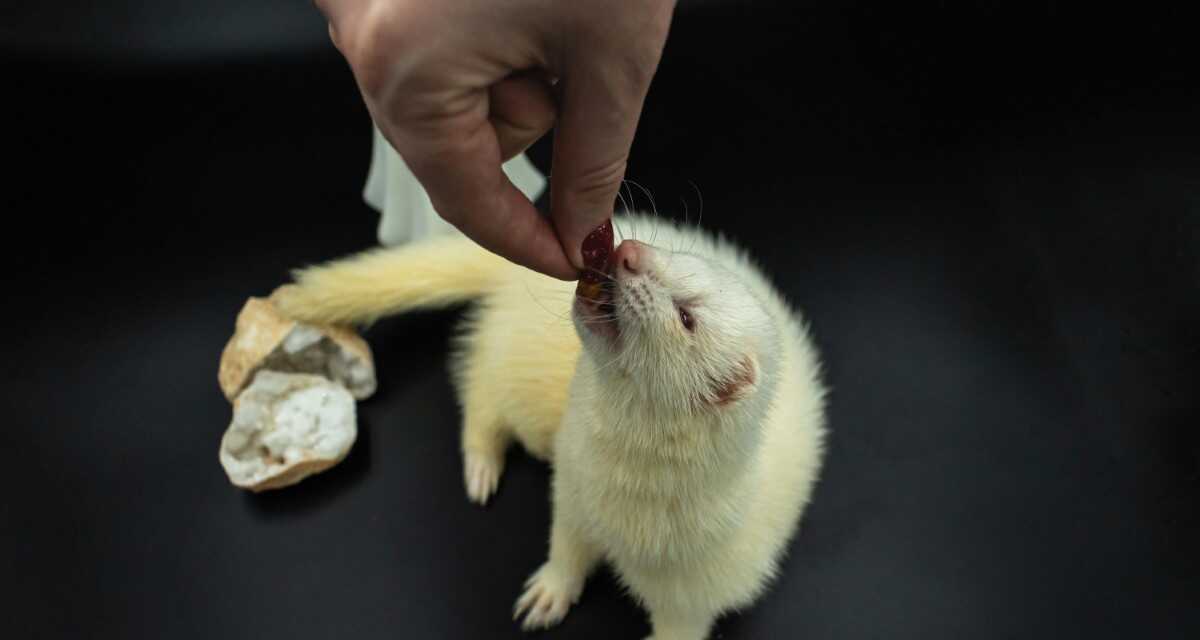
- High-Quality Commercial Ferret Food: The best option for your ferret is a high-quality, specially formulated ferret food. These foods are designed to meet their specific nutritional needs.
- Raw or Cooked Meat: Ferrets can eat raw or cooked meats like chicken, turkey, rabbit, or lamb. It’s important to remove bones and avoid seasoning or spices.
- Eggs: Eggs, either scrambled or boiled, are an excellent source of protein for ferrets. Make sure they are cooked without any added oils or seasonings.
- Fish: Some ferrets enjoy fish such as salmon or tuna, but it should be given in moderation to avoid an imbalance in nutrients.
Foods Ferrets Can’t Eat
While ferrets are obligate carnivores, there are many human foods that are dangerous for them. Here’s a list of foods you should never feed your ferret:
- Chocolate: Chocolate contains theobromine, which is toxic to ferrets and can cause serious health issues, including seizures and even death.
- Fruits and Vegetables: Although ferrets may nibble on small amounts of fruits or veggies, they should not be a regular part of their diet. Many fruits and vegetables are hard for ferrets to digest and can cause upset stomachs or diarrhea.
- Grains and Carbohydrates: Ferrets cannot properly digest grains, so foods like bread, pasta, or cereal should be avoided. These foods can cause digestive problems and obesity.
- Dairy Products: Most ferrets are lactose intolerant, meaning dairy products can lead to gastrointestinal upset. Avoid feeding milk, cheese, or yogurt to your pet.
- Onions and Garlic: Onions and garlic are toxic to ferrets and can cause damage to their red blood cells, leading to anemia.
- Alcohol and Caffeine: Both alcohol and caffeine are highly toxic to ferrets and can cause severe reactions, including respiratory failure or death.
Supplementing Your Ferret’s Diet
In addition to a high-quality ferret food and occasional protein-rich treats, there are a few supplements that may benefit your ferret’s health:
- Omega-3 Fatty Acids: Adding omega-3 fatty acids can help promote a healthy coat and skin for your ferret.
- Probiotics: Probiotics may be useful for promoting healthy digestion, especially if your ferret has gastrointestinal issues.
- Vitamins: If your ferret’s diet is lacking in certain vitamins, a multivitamin supplement may be necessary. Always consult with a vet before adding supplements to their diet.
Conclusion
Ferrets have specific dietary needs that must be met to ensure they live a long, healthy life. By feeding them high-quality, protein-rich foods and avoiding harmful substances like chocolate, dairy, and carbohydrates, you can keep your ferret happy and well-nourished. Always consult with a veterinarian for personalized advice about your ferret’s diet and nutrition.