
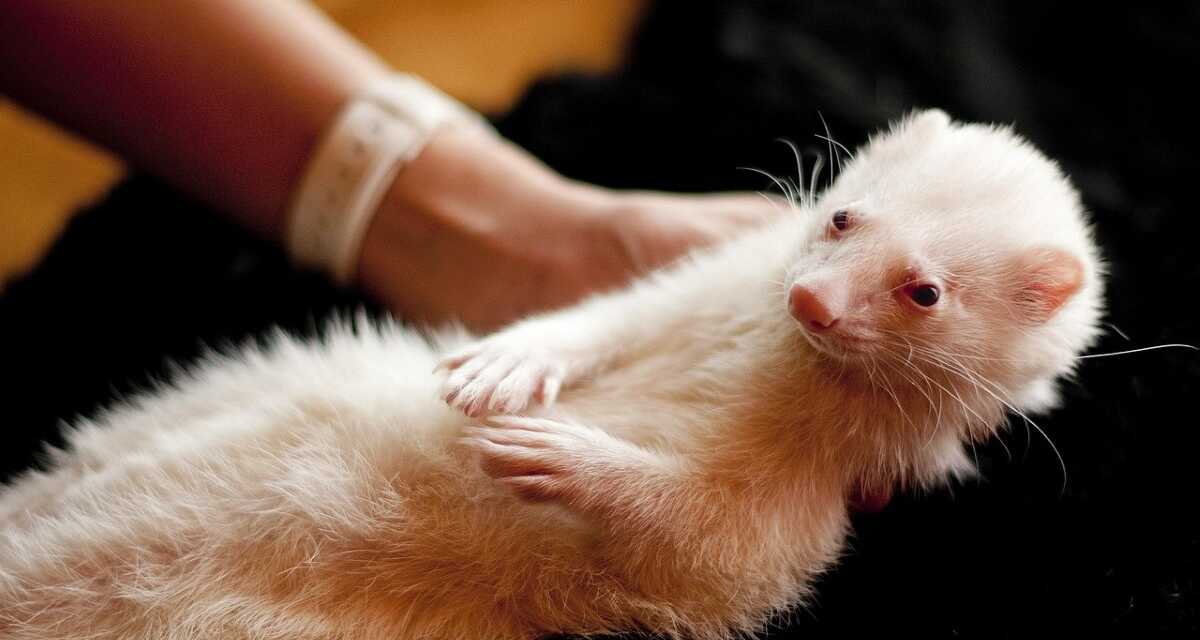
Ferrets are intelligent, playful, and highly social animals that thrive on interaction. While they may seem independent at times, their well-being greatly depends on companionship. In this post, we will explore why ferrets need social interaction, the benefits of having a companion, and how to ensure your pet leads a happy, enriched life.
Ferrets Are Naturally Social Animals
In the wild, ferrets are known to live in groups, relying on each other for warmth, play, and security. Domesticated ferrets have retained these social instincts and often become lonely or depressed if left alone for extended periods. They need constant stimulation, both mentally and physically, to stay healthy.
Key reasons why ferrets are social creatures:
- They engage in play-fighting, which is essential for their physical and mental stimulation.
- Grooming and sleeping in groups help them feel safe and comforted.
- They communicate using body language and vocalizations, making interaction vital.
- Social play helps prevent boredom and destructive behaviors.
Signs of a Lonely Ferret
Ferrets that lack companionship may show behavioral changes. Recognizing these signs early can help you provide the necessary socialization.
Common signs of loneliness in ferrets:
- Increased lethargy and sleeping more than usual.
- Loss of appetite or reduced interest in food.
- Excessive biting or aggressive behavior.
- Destructive habits like chewing on cage bars or furniture.
- Vocalizing more than usual, such as whining or hissing.
The Benefits of Having a Ferret Companion
Pairing or grouping ferrets together can significantly improve their quality of life. A bonded ferret will be happier and more active. Without a companion, they may become overly dependent on their human owners, leading to excessive clinginess or separation anxiety.
Advantages of keeping multiple ferrets:
- They entertain each other, reducing boredom and destructive tendencies.
- Increased exercise through play and chasing games.
- Improved emotional well-being, leading to a longer lifespan.
- Stronger immune system due to reduced stress.
- They learn important social behaviors from each other.
Ensuring Proper Socialization
Providing social interaction isn’t just about adding another ferret. It requires patience, observation, and effort to create a healthy bond between pets. The introduction process should be slow and controlled to avoid territorial aggression.
Ways to promote socialization:
- Introduce new ferrets gradually to avoid territorial aggression.
- Spend quality time playing with and handling your ferrets daily.
- Offer toys and tunnels to encourage interactive play.
- Provide a spacious enclosure to accommodate multiple ferrets comfortably.
- Monitor their interactions to ensure a positive relationship develops.
What If You Can Only Have One Ferret?
If owning multiple ferrets is not an option, you must take extra steps to meet their social needs. A single ferret will rely heavily on its owner for interaction and stimulation. Without proper engagement, a lone ferret may become bored, anxious, or even depressed.
How to keep a single ferret happy:
- Engage in daily playtime and mental stimulation activities.
- Use interactive toys, such as treat puzzles and tunnels.
- Provide safe outdoor exploration time under supervision.
- Consider adopting another pet that can safely interact with your ferret.
- Spend at least a couple of hours daily interacting with your ferret.
Final Thoughts
Ferrets are not solitary animals; they need companionship to thrive. Whether you adopt a second ferret or dedicate more time to socializing, ensuring their emotional well-being is essential. By understanding their social needs, you can provide a happier, healthier life for your beloved pet. A well-socialized ferret will be more affectionate, playful, and overall more content.