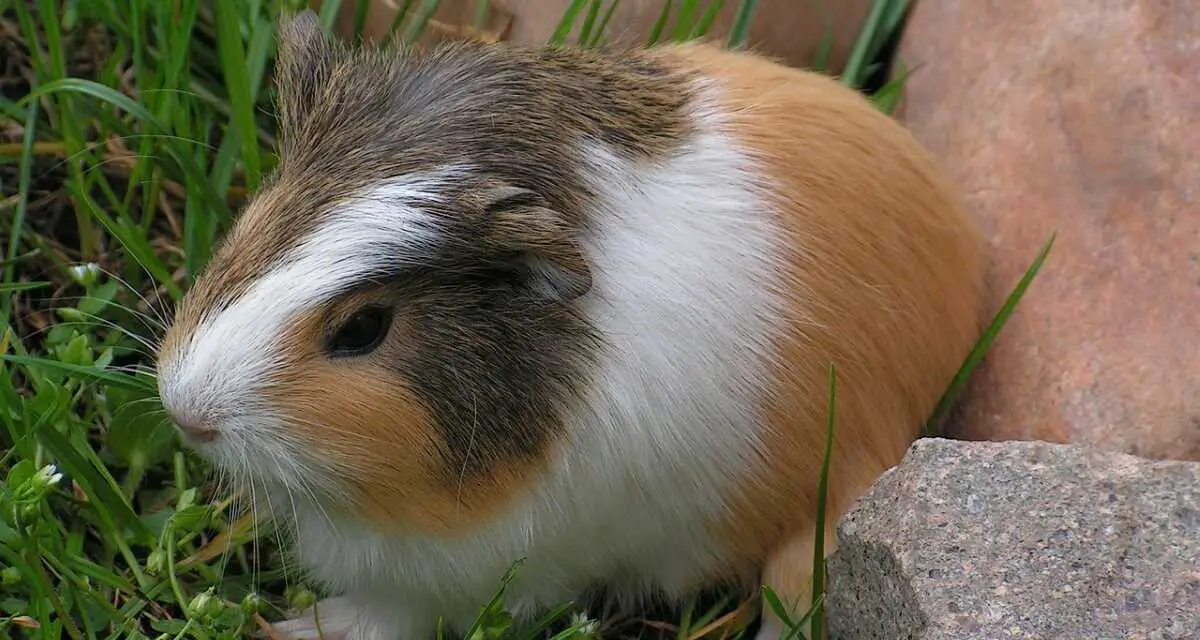
Guinea pigs are adorable, affectionate pets, but like any animal, they can become ill. Since they are prey animals, they tend to hide signs of illness, making it crucial for owners to be vigilant. Recognizing early symptoms and taking swift action can make a significant difference in their health and well-being. Below, we discuss common signs of sickness in guinea pigs and how you can help them recover.
Common Signs That Your Guinea Pig May Be Sick
Monitoring your guinea pig’s behavior and physical condition daily is essential. If you notice any of the following symptoms, your pet may be unwell:
- Loss of Appetite: If your guinea pig stops eating or drinking, it could indicate a severe problem. Their digestive system needs constant food intake to function properly.
- Weight Loss: Rapid or gradual weight loss can signal an underlying health issue. Weigh your guinea pig weekly to track any concerning changes.
- Changes in Droppings: Diarrhea, unusually small droppings, or a lack of feces can indicate digestive problems. Healthy guinea pigs produce firm, pellet-like droppings consistently.
- Labored Breathing: Wheezing, sneezing, or difficulty breathing could suggest a respiratory infection. Left untreated, these infections can become fatal.
- Unusual Behavior: If your guinea pig is lethargic, hiding more than usual, or showing aggression, they may be in pain or discomfort.
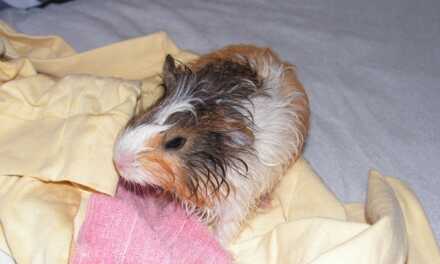
- Skin Problems: Bald patches, excessive scratching, or sores may indicate parasites, fungal infections, or allergies. Mites and ringworm are common skin conditions in guinea pigs.
- Eye or Nose Discharge: Watery eyes, crusty buildup, or nasal discharge can be a sign of respiratory infections or allergies. Clear eyes and a clean nose are signs of good health.
- Teeth Issues: Overgrown teeth, drooling, or difficulty eating may mean dental problems. Guinea pigs’ teeth grow continuously and require a high-fiber diet to prevent overgrowth.
- Limping or Stiff Movements: Joint pain, arthritis, or injuries can cause mobility issues. Ensure your guinea pig has a soft, safe environment to move around.
How to Help a Sick Guinea Pig
If you suspect your guinea pig is unwell, taking immediate action can improve their chances of recovery. Here’s what you can do:
- Consult a Veterinarian: Guinea pigs require specialized care, so it’s important to seek help from an experienced exotic pet vet. Early treatment is crucial.
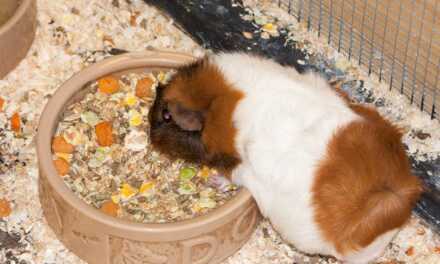
- Ensure Proper Nutrition: Provide fresh hay, pellets, and vitamin C-rich vegetables like bell peppers, parsley, and kale to support their immune system. Guinea pigs cannot produce their own vitamin C, making supplementation essential.
- Keep Them Hydrated: Make sure your guinea pig is drinking enough water; dehydration can worsen their condition. If they refuse to drink, syringe-feeding water may be necessary.
- Maintain a Clean Environment: A clean cage reduces the risk of infections and helps your pet feel more comfortable. Remove soiled bedding daily and deep-clean the enclosure weekly.
- Observe for Changes: Keep an eye on their eating habits, behavior, and droppings to detect any worsening symptoms. A small change can be an early warning sign.
- Quarantine if Necessary: If you have multiple guinea pigs, isolate the sick one to prevent the spread of illness. Use separate food and water dishes to avoid contamination.
- Monitor Temperature: Ensure their cage is in a stable, draft-free environment. Guinea pigs are sensitive to temperature changes, and extreme heat or cold can weaken their immune system.
- Encourage Gentle Exercise: If they are not severely ill, some light movement can help prevent stiffness and digestive issues.
By staying attentive and proactive, you can help ensure your guinea pig stays healthy and happy. Regular vet checkups, a proper diet, and a clean living space are key factors in preventing illnesses. If you ever have concerns about your pet’s health, never hesitate to seek professional veterinary advice. Guinea pigs rely on their owners to detect early signs of sickness, so your awareness and quick action can make all the difference in their recovery.