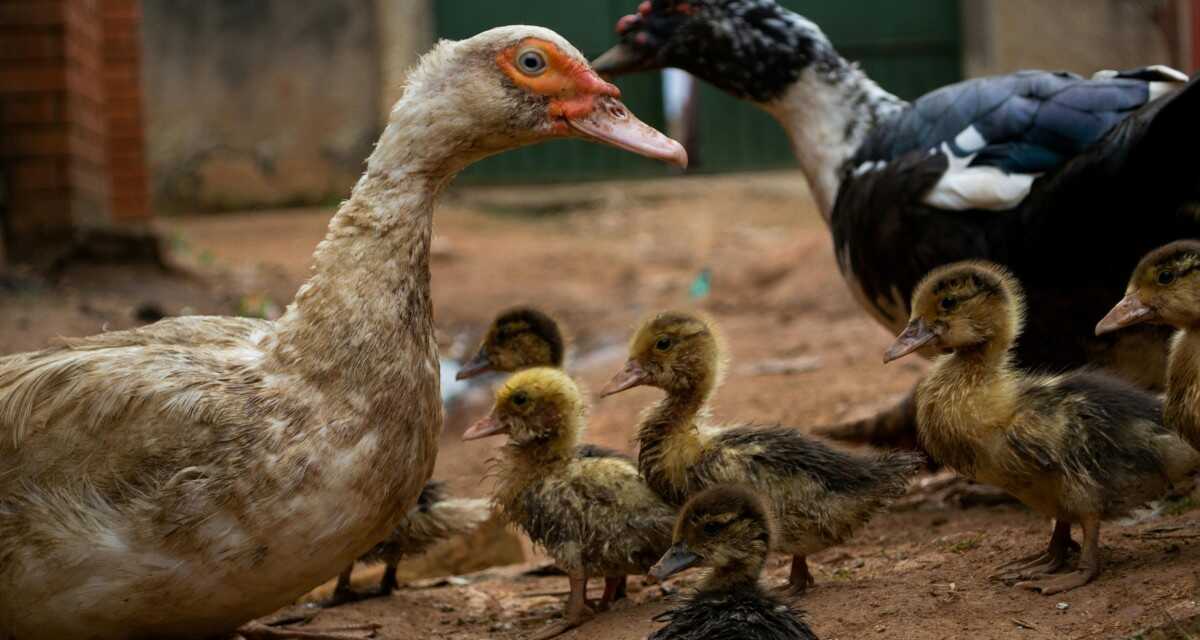
Raising ducks can be a rewarding experience, but it comes with challenges—especially protecting them from predators. Ducks are vulnerable to a wide range of animals, including foxes, raccoons, hawks, owls, snakes, and even neighborhood dogs. These predators see ducks as easy prey, particularly during the night or when the ducks are free-ranging. To ensure their safety, you need to take proper precautions. Below are some essential tips to help keep your ducks secure and stress-free.
Secure Housing
The first step in protecting your ducks is to provide them with a secure shelter. A well-built duck house can prevent predators from reaching your birds during the night. Since ducks are particularly vulnerable when sleeping, their nighttime enclosure should be designed with safety in mind.
Key features of a secure duck house:
- Use strong, predator-proof wire mesh to cover all openings, including ventilation areas.
- Ensure doors and windows have sturdy locks to prevent raccoons from opening them.
- Elevate the coop slightly to prevent burrowing predators from digging under.
- Install an automatic door that closes at dusk to keep ducks safely inside.
- Use solid wood or metal for the structure to prevent predators from chewing through.
Fence Your Duck Area
Allowing ducks to roam freely can be risky. A properly built fence helps deter many land-based predators, ensuring your ducks remain within a controlled and safe area.
Tips for an effective duck enclosure:
- Use welded wire fencing at least 4-6 feet high to keep out larger predators like foxes and coyotes.
- Bury fencing at least 12 inches underground to stop digging animals such as weasels.
- Add a top cover made of netting to protect against aerial predators like hawks and owls.
- Regularly check for holes or weak spots in the fence to prevent unexpected break-ins.
- Consider installing electric fencing for extra protection in high-risk areas.
Protecting Against Nocturnal Predators
Many predators, such as raccoons, foxes, and opossums, are most active at night. Taking additional precautions can ensure your ducks remain safe when these animals are hunting.
Nighttime protection strategies:
- Use motion-activated lights or alarms to scare off nocturnal predators.
- Keep food and water inside the duck house at night to avoid attracting unwanted animals.
- Consider adding a livestock guardian animal, such as a dog or goose, to deter predators.
- Install cameras around the duck area to monitor activity and identify potential threats.
Supervise Free-Ranging Ducks
While ducks enjoy roaming, it’s important to keep an eye on them when they are outside their enclosure. Supervision can help you spot potential threats before they become a danger.
Best practices for supervised free-ranging:
- Let ducks out only during daylight hours when predators are less active.
- Stay nearby or use a guardian animal to keep watch.
- Provide plenty of hiding spots like bushes or shelters for ducks to escape if needed.
- Avoid free-ranging in areas with known predator activity.
Additional Safety Measures
Besides housing and fencing, there are other proactive steps you can take to keep your ducks safe.
Extra precautions to consider:
- Remove hiding spots for predators around your duck area, such as tall grass or dense shrubs.
- Use decoys, such as fake owls or reflective tape, to scare away birds of prey.
- Regularly inspect your duck enclosure for signs of attempted break-ins or weak points.
- Keep ducks in groups, as they are safer together than alone.
Final Thoughts
Protecting your ducks from predators requires a combination of strong housing, secure fencing, and diligent supervision. By following these tips, you can create a safe environment where your ducks can thrive. Keeping predators away may take some effort, but ensuring your ducks’ safety is well worth it. With the right protective measures, you can enjoy raising ducks without constant worry about their security.