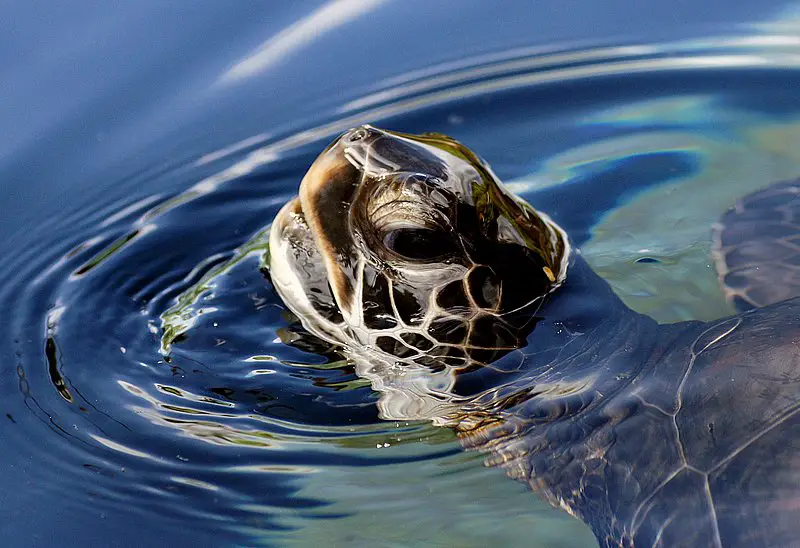
Turtles make fascinating and rewarding pets, but choosing between an aquatic and a terrestrial turtle is a crucial decision. Each type has different care requirements, habitat needs, and levels of maintenance. Before making a choice, it’s important to understand their differences and decide which one fits best with your lifestyle.
Understanding Aquatic Turtles
What Are Aquatic Turtles?
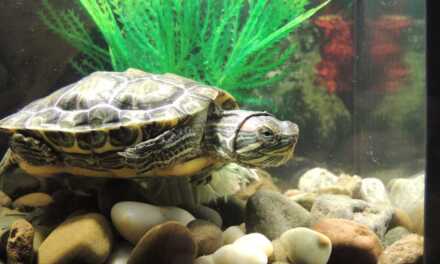
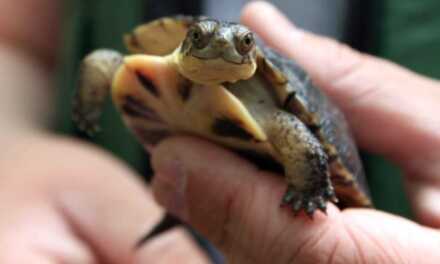
- Aquatic turtles spend most of their time in water.
- They have webbed feet for swimming.
- Examples include the Red-Eared Slider, Painted Turtle, and Map Turtle.
Habitat and Tank Requirements
- Require a spacious water tank (at least 40-100 gallons, depending on species).
- Need a filtration system to keep the water clean.
- Require a basking area with a heat lamp.
- UVB lighting is essential for their health.
- Water temperature should be maintained between 75-85°F (24-29°C).
Diet and Care
- Eat a mix of commercial turtle pellets, leafy greens, and proteins like insects or fish.
- Regular water changes and tank maintenance are necessary.
- May require more time and effort compared to terrestrial turtles.
- Prone to shell infections if the water quality is poor.
- Need proper calcium and vitamin supplements to prevent deficiencies.
Understanding Terrestrial Turtles
What Are Terrestrial Turtles?
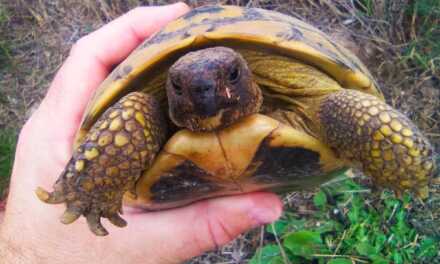
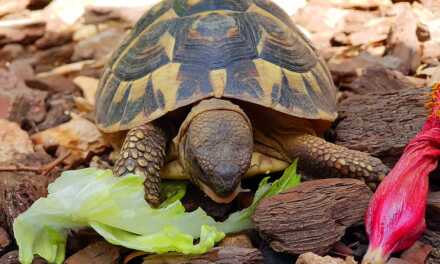
- These turtles live on land and prefer dry environments.
- They have sturdy, non-webbed feet for walking.
- Examples include the Russian Tortoise, Box Turtle, and Sulcata Tortoise.
Habitat and Enclosure Requirements
- Require a spacious, secure outdoor or indoor enclosure.
- Need proper substrate like soil or coconut fiber for burrowing.
- Require UVB lighting and a heat source for proper digestion.
- Temperature should be maintained between 75-90°F (24-32°C), depending on species.
- Humidity levels must be monitored, especially for species that need moisture.
Diet and Care
- Primarily herbivores, feeding on leafy greens, vegetables, and fruits.
- Less maintenance than aquatic turtles but still require regular cleaning.
- Can live for decades, so long-term commitment is necessary.
- May require a hibernation period, depending on the species.
- Need a varied diet to prevent nutritional deficiencies.
Which Turtle Is Right for You?
Choose an Aquatic Turtle If:
- You enjoy maintaining an aquarium and have experience with water filtration.
- You can dedicate time to frequent water changes and cleaning.
- You prefer a pet that is more active and enjoys swimming.
- You have the budget for a high-quality filtration system and heating equipment.
Choose a Terrestrial Turtle If:
- You have space for a secure enclosure.
- You want a pet with lower maintenance compared to aquatic turtles.
- You prefer a more docile and slow-moving pet.
- You can provide a proper diet with fresh vegetables and fruits.
Both aquatic and terrestrial turtles can make great pets, but they require different levels of care. Consider your time, budget, and space before deciding. If you want an active, water-loving pet, an aquatic turtle may be best. However, if you prefer a low-maintenance pet that thrives on land, a terrestrial turtle is the better choice. Either way, ensuring a proper habitat, a well-balanced diet, and regular care will lead to a happy and healthy turtle companion.