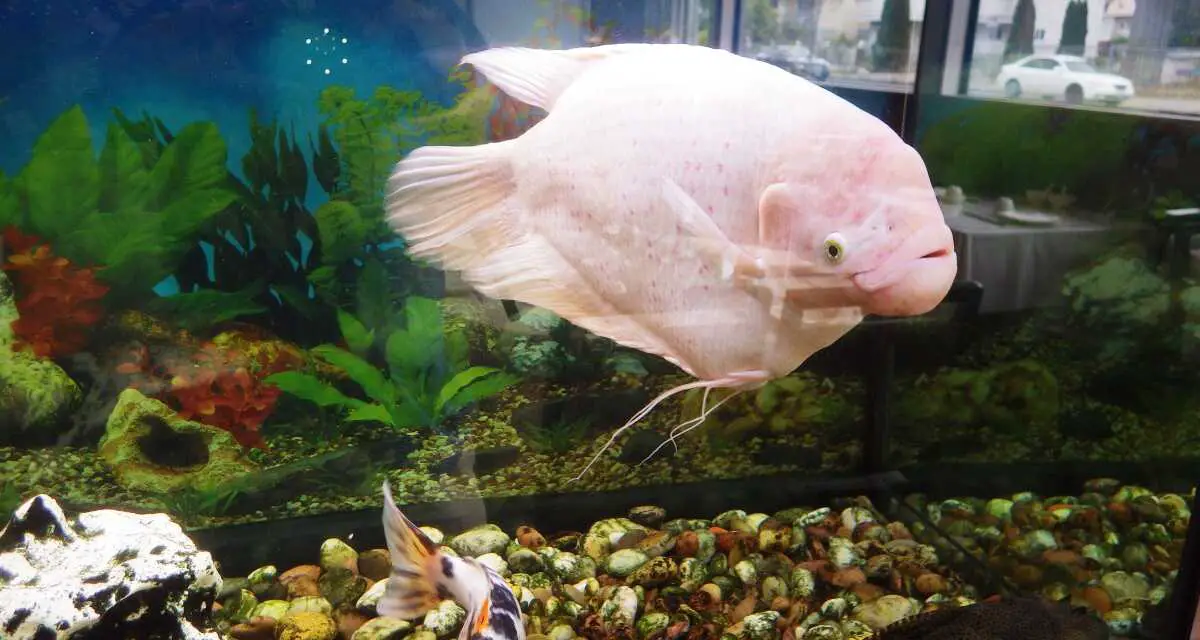
Setting up a fish tank is not just about aesthetics; it’s also about creating a thriving environment for your fish. A well-maintained aquarium can be a stunning addition to your home while ensuring the health and happiness of your aquatic pets. A successful fish tank requires careful planning, from choosing the right tank to maintaining water quality. Follow these steps to create a beautiful and healthy fish tank that your fish will love.
Choosing the Right Tank and Location
Select the Right Size:
- Small tanks (under 10 gallons) are harder to maintain due to rapid water changes and fluctuations in water parameters.
- Medium tanks (10-30 gallons) are great for beginners and offer a stable environment for fish.
- Large tanks (over 30 gallons) provide ample space and are easier to maintain due to their greater water volume.
Pick a Suitable Location:
- Avoid direct sunlight to prevent excessive algae growth.
- Place it on a sturdy surface that can support the full weight of the tank, water, and decorations.
- Ensure easy access for cleaning and maintenance to avoid unnecessary hassle.
Setting Up the Tank Properly
Prepare the Substrate and Decorations:
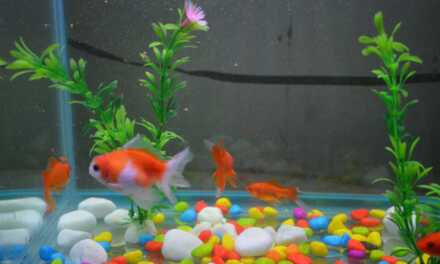
Choose a substrate that suits your fish species, such as gravel, sand, or specialized planted tank soil. A well-chosen substrate can enhance the tank’s appearance and help beneficial bacteria grow. Add plants, rocks, and ornaments to create a natural-looking habitat while leaving enough swimming space for your fish.
Install the Essential Equipment:
Every healthy aquarium needs a quality filter, heater (for tropical fish), and lighting system. These components help maintain water quality and provide the right environment for your fish. Filters remove toxins and debris, while heaters ensure a stable temperature for tropical fish species. Proper lighting supports plant growth and enhances the visual appeal of your tank.
Water Quality and Maintenance
Cycle the Tank Before Adding Fish:
Before introducing fish, allow the tank to cycle for a few weeks to establish beneficial bacteria. This process, known as the nitrogen cycle, helps break down waste and maintain a balanced ecosystem. Test the water regularly to monitor ammonia, nitrite, and nitrate levels. Once the water parameters are stable, your tank is ready for fish.
Regular Maintenance Routine:
- Perform partial water changes (25-30%) every two weeks to remove toxins and replenish essential minerals.
- Clean the substrate with a gravel vacuum to remove fish waste and leftover food.
- Check and replace filter media as needed to ensure efficient filtration.
- Monitor water parameters regularly with a test kit to ensure a healthy environment for your fish.
Choosing and Introducing Fish
Select Compatible Fish:
Research fish species to ensure they coexist peacefully. Some fish are territorial and may not get along with others. Community fish, such as tetras, guppies, and mollies, are great for beginners. Avoid overcrowding, as it can lead to stress, poor water conditions, and aggressive behavior among fish.
Introduce Fish Gradually:
Acclimate new fish by floating the bag in the tank for 15-20 minutes before slowly mixing in tank water. This prevents shock and helps them adjust to their new environment. Never introduce too many fish at once, as it can overload the tank’s filtration system.
Keeping Your Fish Healthy
Monitor Their Behavior:
Observe your fish daily to detect any signs of illness, such as unusual swimming patterns, loss of appetite, or discoloration. If you notice any abnormalities, take action immediately by checking water quality and consulting a vet if necessary.
Provide a Balanced Diet:
Feed your fish high-quality food appropriate for their species. Offer a mix of flakes, pellets, frozen, and live food to ensure they receive the necessary nutrients. Avoid overfeeding, as uneaten food can decompose and degrade water quality.
By following these steps, you can create a beautiful and healthy fish tank that brings joy and tranquility to your space while keeping your aquatic pets happy and thriving. A well-maintained aquarium is not only visually stunning but also provides a safe and comfortable home for your fish, allowing them to live long and healthy lives.