Raising ducks can be a rewarding and delightful experience, but it also requires proper knowledge and preparation. Ducks have specific needs that differ from other pets, and ensuring their well-being is crucial. Whether you are adopting ducklings or rescuing adult ducks, following essential care tips will help you raise healthy and happy birds. Below are key aspects every new duck owner should know.
Provide a Safe and Comfortable Shelter
Ducks need a secure shelter to protect them from predators and harsh weather conditions. A proper duck house should be well-ventilated, dry, and spacious. Ensure it is predator-proof by reinforcing it with strong wire mesh and locking doors at night.
Key shelter requirements:
- At least 4 square feet of space per duck inside the shelter.
- Soft bedding such as straw or pine shavings to keep the floor dry.
- Proper ventilation to prevent moisture buildup.
- Secure fencing around the outdoor area to prevent predators.
- Regular cleaning to prevent disease and odor buildup.
Ensure a Nutritious Diet
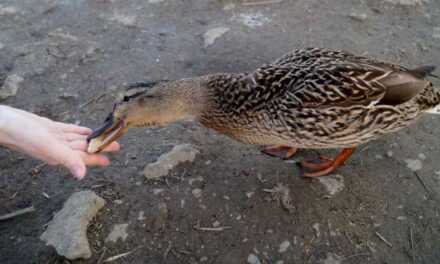
A well-balanced diet is essential for the health and growth of ducks. Unlike chickens, ducks require more niacin (vitamin B3) in their diet to support strong bone development. Poor nutrition can lead to leg deformities and other health issues.
Recommended duck diet:
- Waterfowl pellets or unmedicated poultry feed with added niacin.
- Fresh vegetables like peas, lettuce, and cucumbers.
- Grains such as oats, barley, and cracked corn as treats.
- Access to clean drinking water at all times.
- Occasional protein sources like mealworms or cooked eggs.
Provide Access to Water for Swimming
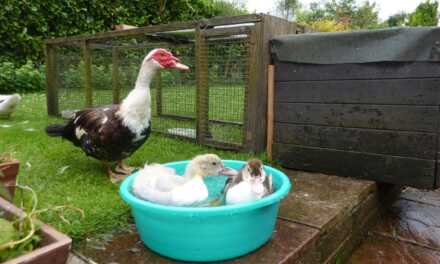
Ducks love water, and access to a pond or small pool is essential for their hygiene and happiness. Swimming helps ducks clean themselves, maintain healthy feathers, and stay cool during warm weather. In addition, water is vital for their digestion, as they need to dip their food in water to eat properly.
Ensure the water source is shallow for ducklings, and provide easy access with ramps or gradual inclines. Regularly clean the water to prevent the buildup of algae and bacteria, as dirty water can lead to infections.
Keep Ducks in Social Groups
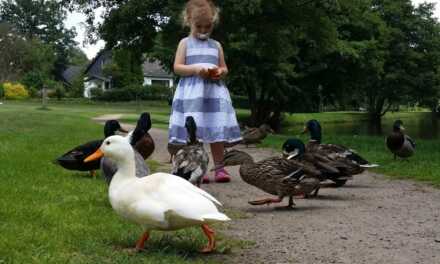
Ducks are social animals and thrive best when kept in groups. A single duck may become lonely and stressed, leading to health problems. It is recommended to have at least two or more ducks to ensure they have companionship.
Providing them with a safe outdoor space where they can roam, forage, and interact with each other will improve their quality of life. Ducks are intelligent creatures and will develop bonds with their owners and fellow ducks.
Health and Hygiene Maintenance
Regular health checks and proper hygiene help prevent diseases and ensure the well-being of your ducks. Look out for signs of illness such as lethargy, abnormal feather loss, or changes in eating habits.
Keep their living area clean by replacing bedding frequently, cleaning water sources, and removing leftover food to prevent mold growth. If you notice any signs of illness, consult a veterinarian who specializes in birds.
Also, be mindful of parasites such as mites and worms, which can affect ducks. Regularly inspect their feathers and skin, and provide a dusting area with diatomaceous earth to help control parasites naturally.
Understand Duck Behavior
Ducks communicate through various vocalizations and body language. Observing their behavior will help you understand their needs. For example, a happy duck will wag its tail, while an anxious or sick duck may isolate itself from the group.
Spending time with your ducks will help build trust and create a strong bond. Ducks are curious creatures and will often follow their owners around, especially if they associate you with food and care.
Conclusion
Taking care of ducks requires commitment, but with the right knowledge, it can be a fulfilling experience. Providing a safe home, proper nutrition, and social interaction will ensure your ducks lead a happy and healthy life. By following these essential care tips, you will be well on your way to becoming a responsible duck owner. Ducks can be affectionate, entertaining, and rewarding pets when given the love and attention they deserve.