
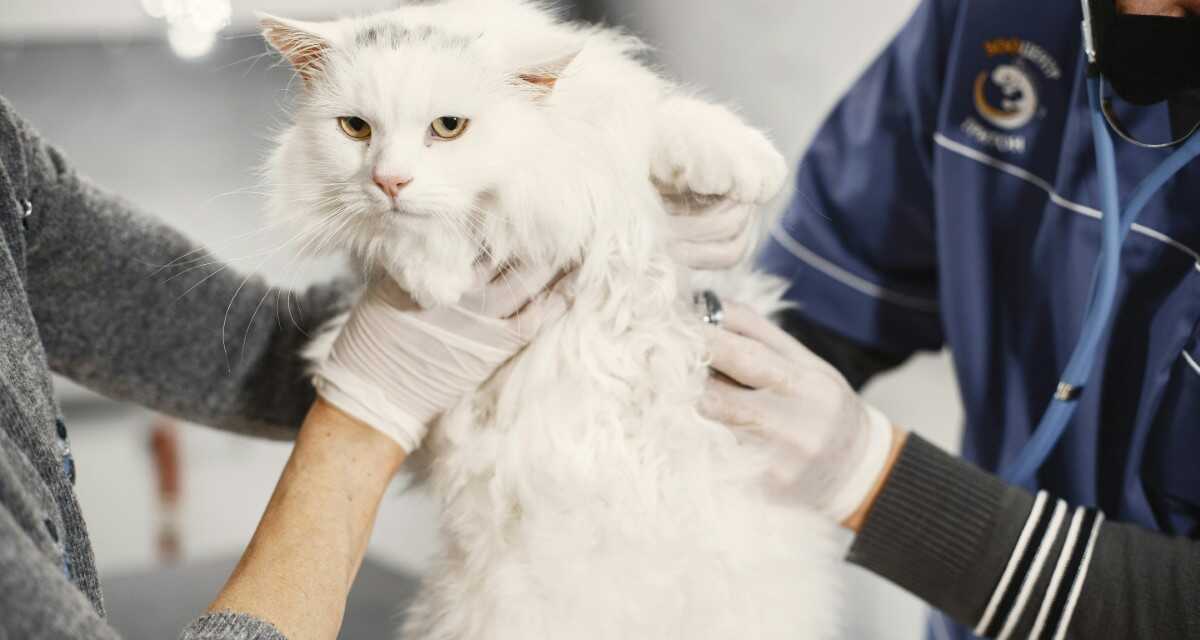
Keeping your cat healthy requires regular health checks to prevent potential issues before they become serious. Understanding which health assessments are necessary can help you ensure a long and happy life for your feline friend. Cats, like humans, need consistent medical attention to detect problems early. By staying proactive with your cat’s health, you can avoid costly treatments and improve their quality of life.
Regular Veterinary Check-Ups
A routine visit to the veterinarian is crucial for detecting early signs of health problems. Most vets recommend at least an annual check-up, though older cats or those with medical conditions may need more frequent visits. During these check-ups, the vet will examine your cat’s weight, coat, eyes, ears, and overall body condition. Blood tests may be conducted to check for underlying health concerns, especially in senior cats. Regular check-ups also allow your vet to update vaccinations and provide personalized health recommendations.
Vaccinations and Parasite Control
Vaccines protect your cat from serious diseases such as rabies, feline leukemia, and calicivirus. Kittens should receive their first vaccines at an early age, followed by booster shots throughout their life. Keeping your cat’s vaccinations up to date helps prevent contagious diseases that could be fatal.
Additionally, parasite control is essential to prevent fleas, ticks, and worms, which can cause discomfort and severe health issues. Fleas, for instance, can lead to skin irritation and tapeworm infections. Regular deworming and flea treatments will keep your cat parasite-free. Consult your vet for the best preventive treatments based on your cat’s lifestyle.
Dental Health Examination
Dental disease is common in cats and can lead to pain and infection if left untreated. Plaque and tartar buildup may result in gingivitis and, in severe cases, tooth loss. Signs of dental issues include bad breath, difficulty eating, and excessive drooling. Brushing your cat’s teeth regularly and providing dental treats can help maintain oral hygiene. During vet check-ups, a professional dental cleaning may be recommended to keep your cat’s mouth healthy.
Weight and Nutritional Assessment
Maintaining a healthy weight is vital for preventing obesity-related conditions such as diabetes and joint problems. Cats can easily become overweight if they consume too many calories without enough physical activity. Your vet can provide dietary recommendations to keep your cat at an ideal weight, which may include portion control and a balanced diet. High-quality cat food with essential nutrients supports overall health, while treats should be given in moderation.
Coat and Skin Condition
A cat’s coat should be smooth and shiny, without excessive dandruff or bald patches. Dry, flaky skin or fur loss can be a sign of nutritional deficiencies, allergies, or parasites. Regular grooming helps remove loose hair, reduce shedding, and prevent hairballs. If your cat constantly scratches or has sores, it’s essential to consult a vet for diagnosis and treatment.
Eye and Ear Health
Eye infections, cataracts, and ear mites are common issues that can be detected through regular inspections. If you notice excessive discharge, redness, or scratching, consult a vet. Healthy cat eyes should be bright and clear, while ears should be free of excessive wax and debris. Regularly cleaning your cat’s ears with a vet-approved solution can help prevent infections.
Common Signs of Illness to Watch For
Being aware of early symptoms of illness can help you act quickly and seek veterinary care when needed. Cats are experts at hiding discomfort, so small changes in behavior or appetite may indicate an underlying problem.
Signs to watch for include:
- Loss of appetite or sudden weight changes
- Vomiting or diarrhea
- Lethargy or decreased activity
- Changes in grooming habits
- Bad breath or drooling
- Increased thirst or urination
- Persistent coughing or sneezing
How to Conduct a Home Health Check
While regular vet visits are essential, you can also monitor your cat’s health at home by following these simple steps. Regular observation can help you detect early signs of illness before they become serious.
Home health check tips:
- Check their coat for fleas, lumps, or bald patches
- Look at their eyes and ears for redness or discharge
- Monitor their eating, drinking, and litter box habits
- Feel their body for unusual lumps or swelling
- Watch for changes in their behavior, such as increased hiding or aggression
Conclusion
By keeping up with essential health checks, you can ensure your cat remains happy and healthy for years to come. Regular vet visits, proper nutrition, and attentive home care play a key role in preventing common health problems. As a responsible pet owner, being observant and proactive about your cat’s well-being will help them live a long and fulfilling life. If you ever notice concerning symptoms, don’t hesitate to seek veterinary advice.