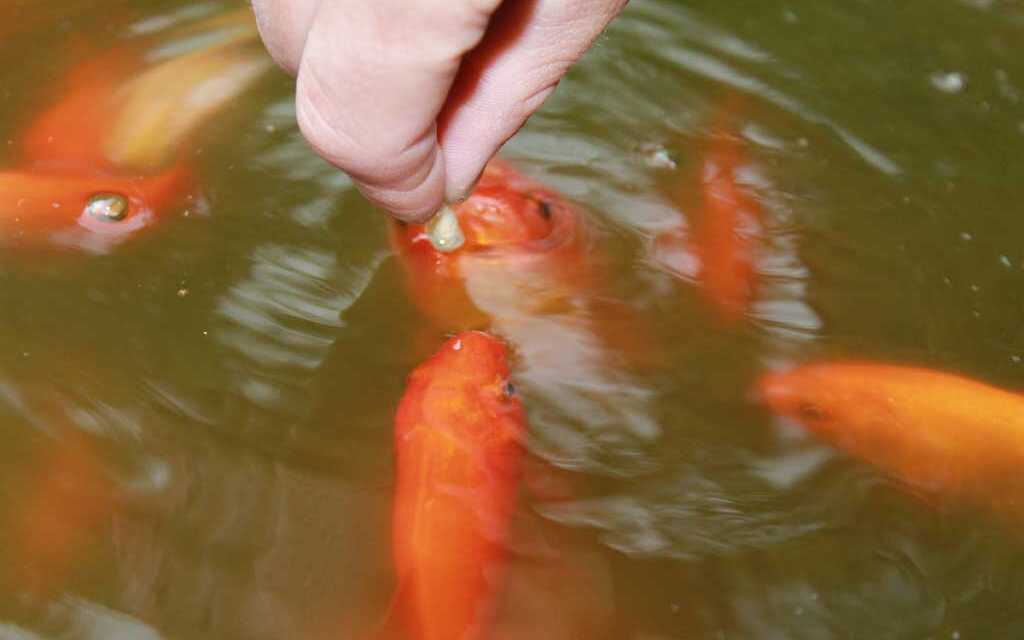
Fish Food
An activity that decorates your spaces and delights the eyes, fishkeeping is sometimes a passion as complex as it is consuming. To ensure the well-being of the fish and their reproduction, it is important to feed them properly. Sometimes, aquarium fish feeding is crucial; however, with the most common species, like goldfish and others, a single type of food may be enough to sustain them.
For beginners, various stores specializing in fish food can guide you. It is worth knowing that a saltwater aquarium is more demanding than a freshwater one. Through this guide, discover some tips that can help you better feed your aquarium fish.
Tips for Properly Feeding Your Fish
There are numerous types of food for feeding aquarium fish. These include natural foods, supplementary foods, and complete foods. When distributed regularly, they ensure the fish’s growth and protection. Sometimes, you will find foods specific to certain fish species. But, by following the simple rules, you will have no difficulty properly feeding the fish in your aquarium.
Feeding Fish in an Aquarium
The various fish in your aquarium need to live. So, in addition to the care you provide, you must feed them. Feeding fish in an aquarium should be varied. Several types of food, such as pellets, granules, flakes, tubifex worms, brine shrimp, and others, make up the basic diet. They are available for feeding your various fish.
In addition to these basic foods, there are frozen foods, which do not replace the basic ones. They can serve as a true alternative to live food (small fish, worms, etc.). To acquire frozen food, avoid collecting it from the wild; instead, go to stores specializing in their sale. Frozen foods should be thawed and briefly rinsed before being placed in the aquarium.
It is important to pay attention to the quantity of food. Avoid overfeeding your fish. Keep in mind that fish do not have a sensation of fullness and will keep asking for food. Therefore, avoid feeding them more than twice a day. For the quantity, use a container to measure it. Avoid pouring food without knowing the amount. Also, note that the food quantity depends on the fish’s size—the bigger they get, the more they eat.
Feeding Pond Fish
With less efficient digestion, pond fish have a much slower metabolism, even though they can eat when temperatures are low. Therefore, to feed pond fish, it is recommended to wait until the water temperature exceeds 10 or 15°C. The choice of food depends on the pond’s temperature. Their feeding should be stopped at the end of autumn.
As the sun reappears, pond fish’s appetite increases. The colder the water in your pond, the slower your fish’s metabolism will function. Having a large number of fish in a pond means it will contain a lot of waste. To maintain quality water, you need to install a good filtration system as well as a solid, quality pump.
Regarding food type, note that pond fish do not all have the same preferences or feeding habits. There is a wide variety of pond fish (Koi Carp, Goldfish, Celestial, Oranda, Comet, etc.). Some fish feed at the bottom of the pond, while others feed at the surface. That’s why you should opt for food capable of floating and sinking to the bottom.
For example, Koi carps or golden orfe should be fed floating foods, while bitterlings and tench, which stay at the bottom, are shy fish. Pond fish also enjoy a varied diet. You can opt for granules as food for pond fish.
They come in small and large sizes. Thus, granules can serve both bottom-dwelling fish and surface feeders. Vary their diet by occasionally giving them freshwater shrimp, frozen foods, tubifex worms, or mosquito larvae.
Feeding Fish with Pellets
Pellets are well-loved by freshwater fish. Feeding a goldfish or other fish with pellets offers several advantages. They pollute the aquarium water less, you can easily control the amount, they are easy to dose, and they provide good quality nutrition for fish.
Pellets have similar characteristics to flake foods. Goldfish are fish species that eat a bit of everything. So, in addition to pellets for a goldfish, you can add fresh vegetables, and food based on worms, bloodworms, brine shrimp, and daphnia.
Dehydrated foods provide all the nutrients a fish needs daily. Pellets for a goldfish are effective for its growth and well-being. You’ll find that when you put the pellets in your aquarium, some will sink to the bottom while others will float. This helps stimulate the appetite of the fish and allows both bottom-dwelling and surface fish to feed. For feeding a large-sized fish, you can opt for pellets. There are two types of pellets: green-colored vegetable pellets and red-colored animal-based pellets. Suitable for all types of fish, using pellets for feeding your fish is more economical and also easy to use. However, it is important to pay attention to the pellet size. It should be adapted to the size of the fish in the aquarium.
Live Food for Aquariums
There are several types of live food for fish. These are highly appreciated by aquarists because they offer many benefits for the fish. Using live food to feed your fish means opting for a natural feeding method.
Fish, being natural creatures, are highly stimulated when you offer them live food. Live fish food allows them to have a varied and balanced diet. A wide range of live aquarium food is available on the market. Among these live foods, we can mention:
- Vinegar eels: Very small in size (1 to 2 mm), vinegar eels are suitable for feeding juvenile fish. You can keep them while allowing them to reproduce. Before feeding them to the fish, make sure to clean them first.
- Chironomid larvae: From the Chironomidae family, these are red in color. They are a preferred food for fish and are quickly eaten due to their attractive color. Chironomid larvae can be stored fresh for one to two weeks.
- Grindal worms: Similar to earthworms, they belong to the annelid family. Rich in protein, these grindal worms are easy to breed. You can feed your grindal worms with baby cereal. They are suitable for large juvenile fish.
How to Feed Your Fish While on Vacation
There is specific food available for feeding fish during vacations. These foods come in block form. They take several days to dissolve. With these specific foods, it is possible to feed your aquarium fish for one to two weeks depending on the block size, as well as during weekends. They are balanced and rich in nutrients.
These vacation fish foods can be a handy solution if you don’t have automatic feeders or anyone to take care of your aquarium in your absence. However, their use requires caution, as improper use can pollute your aquarium.
Homemade Food for Goldfish
Sometimes, store-bought fish foods can be costly, even though they are rich in nutrients for your fish. It is possible to make food at home to feed a goldfish. Cost-effective, these homemade foods can ensure the healthy growth and well-being of your fish.
For preparing the food, you will need a freezer, ice cube trays, a knife, a pan, a blender, and your ingredients. Your goldfish may be omnivores, carnivores, or herbivores. So, it is important to consider their dietary needs.
As for plants, goldfish like leafy vegetables such as kale, spinach, seaweed, and lettuce. You can also offer them foods like Egeria, Limnophila, Cabomba, which are commonly available in pet stores. Note that fish also enjoy garlic.
What Foods to Feed Your Aquarium Fish?
The type of food and the quantity vary from one fish species to another. Generally, there is a large number of fish species. Here are some fish species along with their dietary needs:
- Ancistrus
A bottom-dwelling fish, the ancistrus has a mouth that acts as a true suction cup. This mouth allows it to graze rocks in search of algae. It needs a daily diet based on vegetables. It most often feeds in the evening. The ancistrus requires a balanced diet rich in carbohydrates, proteins, vegetable fibers, lipids, trace elements, vitamins, and minerals. It also loves roots. You can provide it with pieces of apple, potato, zucchini, spinach, cucumber, melon, pumpkin, lettuce, carrot, etc. It also enjoys snails, Corydoras, shrimp, and more.
- The Betta
The Betta needs to be fed every day. The food provided should be rich in protein. Some species eat more than others. Therefore, you should count between 4 to 8 pellets per day. It also enjoys larvae, tubifex worms, carrots, beans, or boiled zucchini. It should be fed twice a day at fixed times.
- The Koi Carp
The amount of food given to the koi carp will depend on its size. Its feeding is also based on the water temperature. It feeds slowly at low temperatures. It is a fish that adapts to all types of food. As a vegetarian, it enjoys pellets and flakes. It eats more in summer compared to other seasons. In summer, it can eat 5 to 6 times a day.
- Cichlids
Cichlids require several types of food: frozen food (mussels, pink or gray shrimp…), vegetables (spinach, peas, carrots, zucchini…), dry food (pellets, daphnia, krill, cyclops, tubifex worms…), live food (insect larvae, small crustaceans, worms…). There are carnivorous, herbivorous, and omnivorous cichlids. You should avoid giving them animal-based meat. Do not throw frozen food directly into the aquarium. First, defrost the food by soaking it in a bowl of water.
- Corydoras
Corydoras have a varied diet. They consume fresh food (sliced poached zucchini, crushed peas, sliced potatoes, chopped spinach…), freeze-dried food (spirulina sinking tablets, flakes, and pellets…), and also live food (tubifex worms, insect larvae, Artemia, small crustaceans, daphnia…). They should be fed every 3 days. They can also feed on leftover food. This type of fish digs into the substrate in search of food.
- The Discus
The discus is a fish that mainly eats animals. It needs carbohydrates, fats, vitamins, plant fibers, minerals, and trace elements. Its diet should be varied and balanced. Omnivorous, it feeds on beef heart, tubifex worms, krill, shrimp, Artemia, and chopped mussels. Adults are fed once or twice a day, subadults 2 to 3 times, and juveniles up to 6 times (or more).
- Aquarium Snail
The aquarium snail is beneficial to the balance of an aquarium and feeds on plant waste, fish carcasses, and algae. Most aquarium snails also enjoy fish eggs. Be aware that a sudden disappearance of snails in an aquarium indicates an imbalance in the aquarium.
- The Guppies
Active and colorful, guppies are easy to feed. They are fed with flakes. They should be fed once or twice a day. You take a handful of flakes and throw it into the aquarium. Avoid food in the shape of balls. Young guppies require a special diet. To vary their diet, occasionally replace flakes with more nutritious treats.
- The Betta Fish
The Betta fish is a carnivorous species that should be fed every day. It feeds at the surface and prefers live prey. Depending on the type, some Betta fish eat more than others. They need more protein. They love tubifex worms and larvae. They also enjoy some boiled vegetables like zucchini, carrots, or beans. For pellets, it should be fed 4 to 8 times a day, in several servings to avoid excess waste. For any form of food, remember to remove waste and leftovers so they don’t rot at the bottom of the aquarium.
- The Japanese Fish
The Japanese fish, or goldfish, is an omnivore with a tendency towards herbivory. It feeds on both animal and plant-based foods. Pellets are excellent for the Japanese fish. As for vegetables, it enjoys carrots, spinach, lettuce, peas, and zucchini. It is important to adjust the food size to the fish’s size. It requires two meals per day for an adult goldfish, and 3 meals for younger ones. For mealtime, aim for 1 to 3 minutes of feeding.
When to Feed Your Aquarium Fish?
If you have turned on the lights or touched the aquarium, wait a bit before feeding your fish. They need some time to calm down first. You should feed them at least 30 minutes after any action that has caused them to move around.