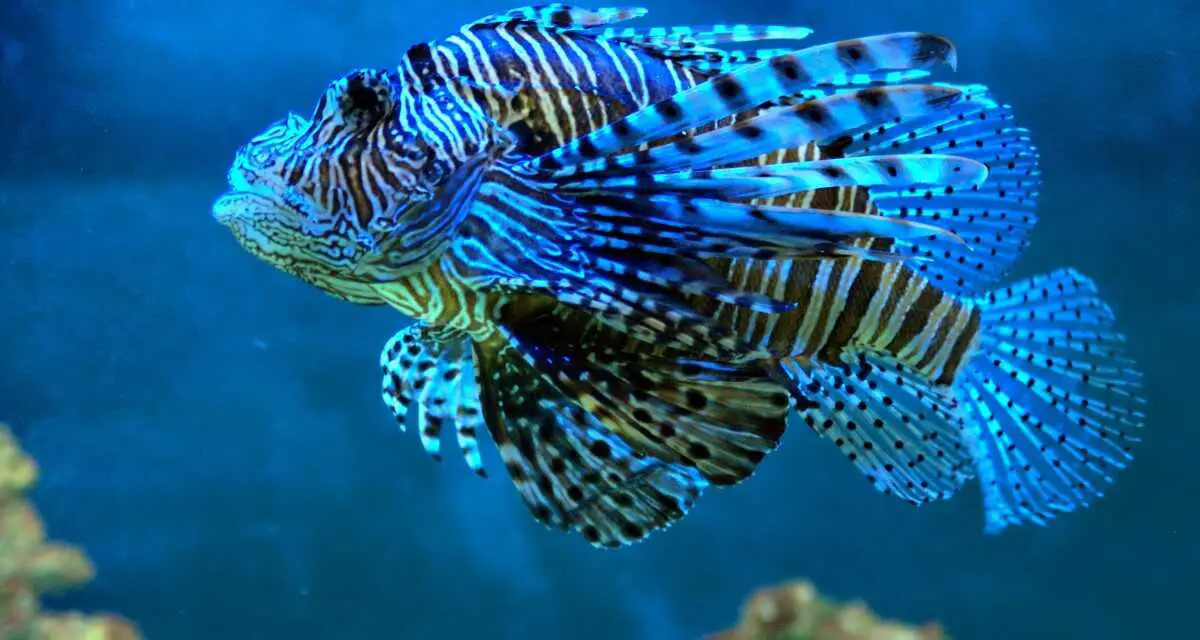
Keeping pet fish can be a rewarding and peaceful experience, but proper care is essential to ensure their health and longevity. Whether you’re a beginner or an experienced aquarist, this guide will provide you with essential tips for maintaining a thriving aquatic environment. Fishkeeping is more than just having a tank; it requires knowledge, patience, and regular maintenance to create a stable and healthy environment.
Choosing the Right Fish
Before purchasing your pet fish, it’s important to select species that match your experience level and the environment you can provide. Some fish require more maintenance than others. Researching different species beforehand can help you avoid compatibility issues and unexpected challenges.
Beginner-friendly fish include:
- Betta fish
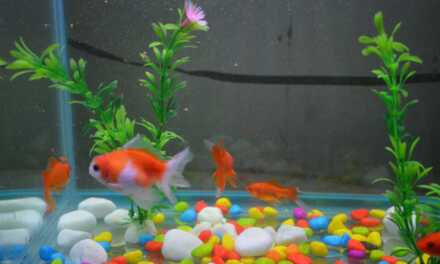
- Goldfish
- Guppies
- Neon tetras
- Zebra danios
These species are generally hardy and easier to care for, making them ideal for beginners. Avoid aggressive or delicate species if you are new to fishkeeping.
Setting Up the Aquarium
Creating the right environment for your fish is crucial for their well-being. A properly set up tank ensures they stay healthy and stress-free. The size of your aquarium is a key factor; a larger tank is often easier to maintain than a small one because it provides more stable water conditions.
Key steps for setting up your fish tank:
- Choose an appropriately sized tank based on the type and number of fish.
- Install a high-quality filtration system to keep the water clean.
- Maintain proper water temperature based on fish species.
- Use dechlorinated water to avoid harmful chemicals.
- Add plants, rocks, and hiding spots for a natural habitat.
- Cycle your tank before adding fish to establish beneficial bacteria.
Feeding Your Fish
Proper nutrition is vital for the growth and health of your fish. Different species require specific diets, so it’s essential to choose the right food. Overfeeding is a common mistake that can lead to poor water quality and health problems.
General feeding guidelines:
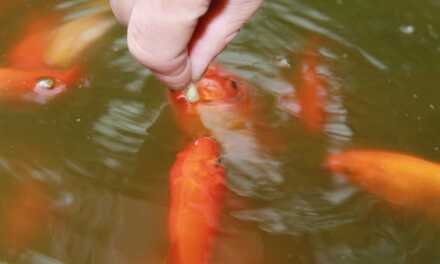
Feed your fish once or twice a day with high-quality flakes, pellets, or live food. Only give them as much food as they can consume within a couple of minutes. Uneaten food can decay and harm the water quality, so remove any excess after feeding.
Maintaining Water Quality
Keeping the water clean and well-balanced is one of the most important aspects of fish care. Poor water conditions can lead to diseases and stress. Regular tank maintenance and water testing can help ensure a healthy environment.
Essential water maintenance tips:
Perform regular water changes, ideally replacing 25% of the water every week. Use a water testing kit to monitor pH levels, ammonia, nitrate, and nitrite levels. Keeping these parameters in check will prevent harmful conditions.
Recognizing and Preventing Diseases
Fish can suffer from various diseases caused by bacteria, parasites, or poor water conditions. Observing their behavior can help detect issues early. A stressed or sick fish will often show visible signs of distress.
Signs of illness include:
Loss of appetite, erratic swimming, white spots, or faded colors. If you notice these signs, quarantine the sick fish and consult a specialist. Prevention is the best approach—keeping a clean tank, providing proper nutrition, and avoiding overcrowding can help keep your fish healthy.
Enjoying Your Fishkeeping Hobby
By following these care tips, you can create a healthy and beautiful aquarium for your pet fish. A well-maintained tank provides a relaxing and enjoyable experience for both you and your aquatic friends. Fishkeeping is a fulfilling hobby that requires dedication, but the rewards of watching your fish thrive make it all worthwhile.
With the right knowledge and routine maintenance, your fish can live a long and happy life. Take the time to understand their needs, and you’ll be rewarded with a stunning aquarium full of healthy, vibrant fish.