Hamster Accessories
Deciding to adopt a hamster means being ready to set up all the necessary equipment for its development and well-being. Whether placed in a cage or an aquarium, this space serves as a true universe for your pet. Therefore, its happiness depends on how its shelter is arranged.
Setting up your hamster’s cage or aquarium should allow it to engage in its favorite activities, such as eating, gnawing, sleeping, grooming, digging, climbing, and storing food. This means you need to equip the animal’s space with accessories that meet these daily needs. How should you arrange your hamster’s cage?
The Hamster Cage: A Shelter for Sleeping
In the wild, hamsters sleep in burrows. Once domesticated, the cage becomes their living space. There are several types of cages, including wire cages, aquariums, and terrariums. Made from wood, plastic, glass, ceramic, or other materials, each type of hamster shelter has its advantages and disadvantages. When choosing a hamster cage, it is important to consider its dimensions, as the animal needs a cage that meets the minimum size requirements for a hamster shelter. The price of a cage varies depending on the model and its size.
What Accessories Are Needed for a Hamster Cage?
A well-equipped cage provides optimal comfort for your hamster. It allows them to play and thrive at any time of the day. Sometimes, buying accessories for a hamster cage can be challenging due to the variety of options available on the market.
These include toy kits, gnawing objects, hygiene items, etc. You should choose accessories according to your budget while effectively meeting your pet’s needs. You may not be able to purchase all the available accessories, but some are essential for your hamster’s cage.
What Are the Best Hamster Accessories?
– Hamster Games and Toys
- The Hamster Wheel
The wheel is one of the most essential accessories for your hamster’s home. It allows them to exercise and stay entertained. This toy is suitable for Russian hamsters, dwarf hamsters, golden hamsters, and other breeds. Hideout games in the form of mazes are also highly appreciated by hamsters for their well-being. There are various types of wheels available, but they can sometimes have drawbacks.
A wheel can cause imbalance if your hamster becomes overly dependent on it. If the wheel is noisy, it might become irritating, especially at night. We recommend choosing a silent hamster wheel, which can be found in wood or plastic. When installed in the cage, your hamster can use it without making noise.
- The Hamster Ball
Although the hamster ball is considered a cage accessory, it can negatively impact your hamster’s well-being. During exercise, your hamster might get injured. Some balls lack proper ventilation, which can lead to suffocation. Small-sized balls can also cause back pain. Hamsters often feel stressed in these balls, which can lead to heart problems.
- The Hamster Tube
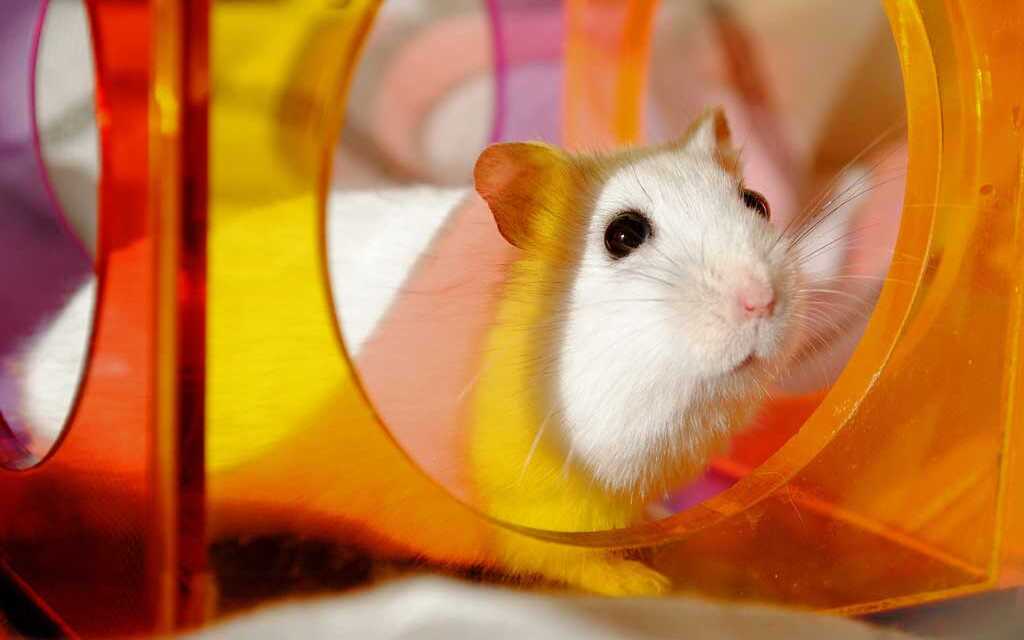
Tubes installed in the cage serve as hamster toys, allowing them to move from one place to another. However, avoid using small tubes that may pose a danger, as your hamster could get stuck if the tube’s diameter is too small.
– Food Accessories for Your Hamster
- The Water Bottle
A water bottle is essential for your hamster’s daily hydration. It is highly useful in their cage. It is best to opt for a bird water dispenser, as hamsters prefer drinking in a natural position. A bottle can also replace a water dispenser as it is more convenient for daily use.
- The Food Bowl
A food bowl helps monitor your hamster’s diet. It can be made of glass or ceramic. A heavier bowl prevents your hamster from spilling its food.
- The Feeder
A rack is useful for holding hay and forage. You don’t necessarily need an extra feeder, as hamsters store food in their cheek pouches before stashing it away. Use a sturdy feeder (ceramic or porcelain) that is easy to clean and difficult to tip over.
– Hygiene Accessories for Your Hamster
- Sand Bath
To clean themselves and remove dirt, hamsters need to roll in a sand bath. This is a crucial accessory for them. A sand bath helps keep their fur soft and silky. Be sure to use chinchilla sand instead of regular sand.
– Accessories for Your Hamster to Gnaw On
- Branches or Small Logs
As rodents, hamsters need specific objects in their cage to help them gnaw. With wooden branches or small logs in their cage, they won’t get bored. You can even make these yourself using natural branches from your garden, such as apple, pear, or hazelnut tree branches. To prepare them, bake them in the oven and let them cool before placing them in your hamster’s cage.
– Other Types of Hamster Accessories
- A Cozy Nest
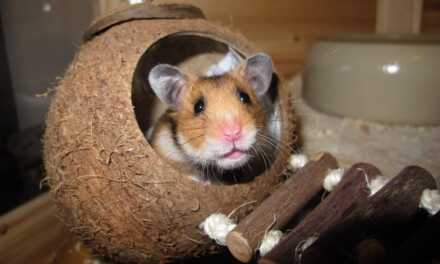
Sometimes, your pet will need a place to rest. A cozy nest provides comfort, allowing your hamster to enjoy a deep and relaxing sleep after playing. This creates a soft and pleasant retreat in their cage.
- The Hanging Bridge
A hanging bridge is a fun accessory for your hamster. Visually appealing and durable, it is ideal for your pet’s cage. With multiple rungs, the ladder allows your hamster to move and climb freely.
- The Bark
Available in all pet stores, bark is a decorative accessory for your hamster’s cage. Large, well-curved pieces provide elevated spots where your hamster can sit and observe their surroundings.