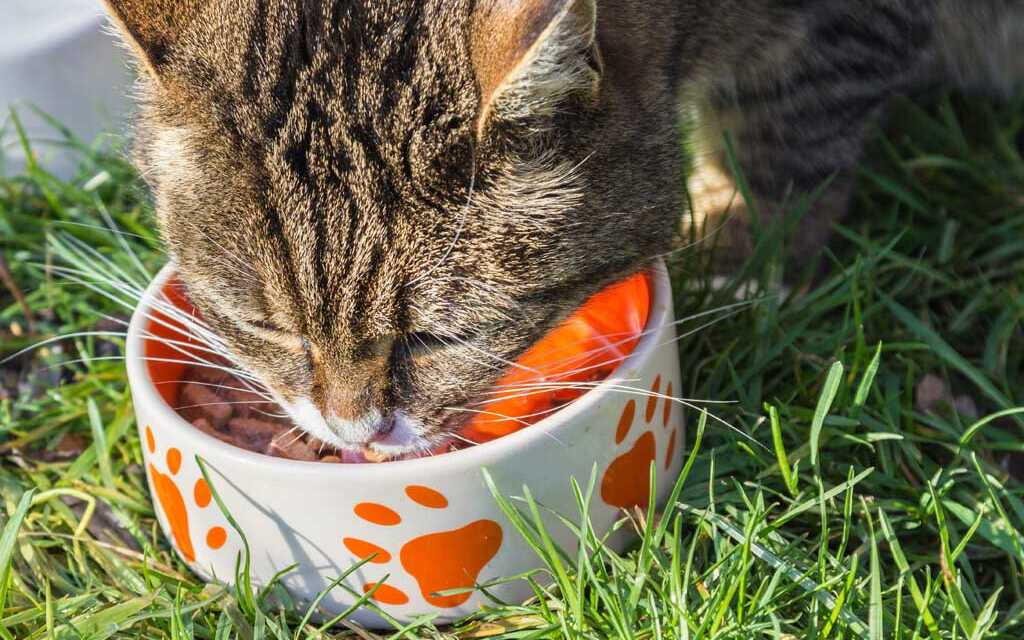
As a cat owner, one of the most important responsibilities you have is to provide your pet with proper nutrition. Feeding your cat a healthy and balanced diet is key to maintaining its overall health and well-being. However, with so many options available on the market, choosing the right food can be overwhelming.
In this guide, we will discuss the basics of cat nutrition and provide tips on how to feed your cat for optimal health.
Understanding Cat Nutrition
Cats are obligate carnivores, which means that they require a diet that is high in animal protein to thrive. Unlike humans and dogs, cats cannot produce certain amino acids on their own, so they must obtain them from their food. Additionally, cats have specific nutrient requirements that must be met for optimal health, including:
- Protein: Cats require a diet that is high in protein, with at least 30% of their calories coming from animal sources.
- Fat: Cats need a diet that is moderate in fat, with around 10-15% of their calories coming from fat sources.
- Carbohydrates: Unlike dogs and humans, cats do not require carbohydrates in their diet, as they are unable to digest them properly.
- Vitamins and minerals: Cats require a variety of vitamins and minerals to maintain their health, including vitamin A, vitamin D, calcium, and taurine.
Feeding Your Cat
Now that you understand the basics of cat nutrition, let’s discuss how to feed your cat for optimal health.
- Choose a high-quality cat food: Look for a cat food that is made from high-quality animal protein sources, such as chicken, turkey, or fish. Avoid foods that contain fillers, by-products, or artificial additives.
- Consider your cat’s age and health: Depending on your cat’s age and health, you may need to choose a specific type of cat food. For example, kittens require a diet that is high in calories and protein to support their growth and development, while senior cats may require a diet that is lower in calories to prevent weight gain.
- Feed your cat the appropriate amount: Overfeeding your cat can lead to obesity and other health problems. Use the feeding guidelines on the cat food label as a starting point, and adjust the amount as needed based on your cat’s age, weight, and activity level.
- Provide fresh water: Make sure your cat always has access to fresh, clean water. Cats are prone to urinary tract problems, and dehydration can exacerbate these issues.
- Treats should be limited: Treats should be given in moderation and should not make up a significant portion of your cat’s diet. Look for treats that are low in calories and free from artificial additives.
Conclusion
Feeding your cat a healthy and balanced diet is key to maintaining its overall health and well-being. By choosing a high-quality cat food, considering your cat’s age and health, feeding the appropriate amount, providing fresh water, and limiting treats, you can help ensure that your cat is getting the nutrients it needs to thrive.
As always, consult with your veterinarian if you have any concerns about your cat’s nutrition or health.