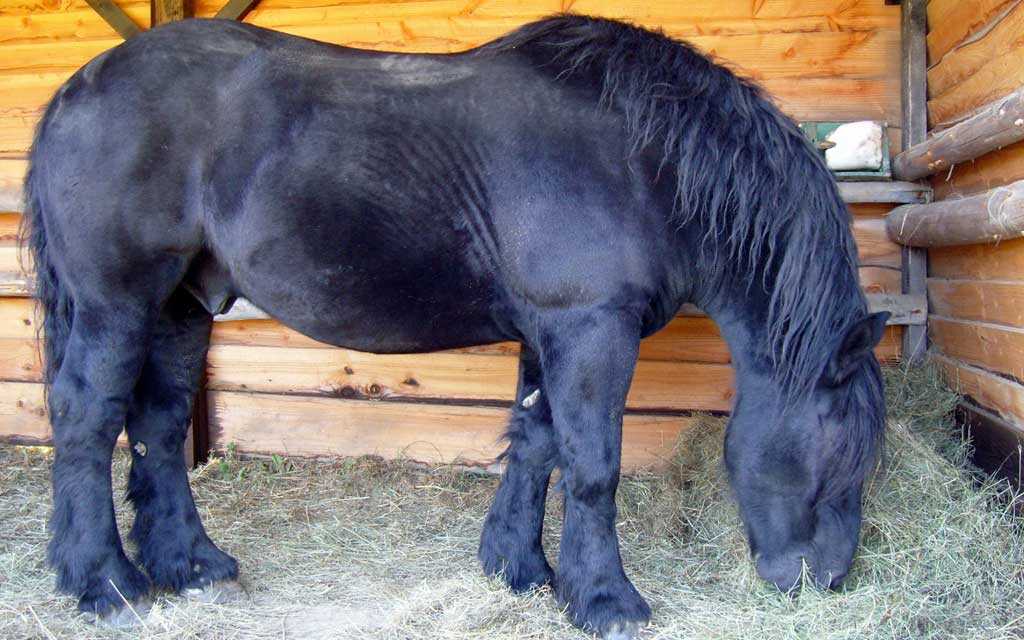
Herbivore, the horse in the wild spends most of its time grazing. The horse also needs a balanced, diverse diet suited to its size and age, just like all other animals.
Properly feeding your horse means understanding your animal’s needs, choosing the right foods, and also establishing a ration based on the type of horse and its activity. The daily food ration given to your horse must be able to cover its maintenance needs as well as its activities.
Taking into account the horse’s natural feeding behavior is a very important aspect of its diet. What foods for your horse?
Horse Feeding
Where does your horse live? When it lives in a pasture, its diet consists mainly of grass. However, for horses housed in equestrian centers, spending most of their lives in stalls, the situation is quite different.
In general, when feeding a horse, you should first provide clean water, forage, traditional feed, and industrial feed. To these, you can add fruits and vegetables, which they often enjoy.
What does a horse’s diet consist of?
Unlike cattle, horses do not ruminate. They have relatively small and delicate stomachs. Additionally, they cannot vomit, as certain muscles at the entrance of their stomach prevent them from doing so. Therefore, it is essential to divide the daily ration of your domesticated horse into 3, 4, or 5 meals.
- Hay for your horse
While reducing digestive risks, hay keeps your horse occupied when it lives in a stall. It constantly eats hay except when sleeping or working. If given in insufficient amounts, the horse may become bored.
You must therefore provide your horse with good-quality hay—clean, dry, dust-free, and pleasantly scented. The daily hay ration should be approximately 1 kg of hay per 100 kg of body weight.
- Flaked feed for horses
Composed of various ingredients such as rice grains, crushed corn, pellets, oat grains, and alfalfa strands, flaked feed is a premium horse food. Horses love it. Positioned between pellets and traditional grains, flaked feed is consumed more slowly than pellets. It requires slower chewing, promoting saliva production and aiding digestion.
- Pellets for horses
Dry, finely ground, and uniform in texture, pellets are quickly consumed by horses and produce little saliva. You can feed pellets to your horse, as they contain cereals, forage, minerals, and vitamins. They are dust-free and easy to distribute. The quantity provided should be based on the horse’s weight and training.
- Hay pellets
Hay pellets are made from high-quality hay compressed mechanically without heating, retaining all their nutrients. They are easy to store and handle, reducing dry matter losses compared to traditional hay.
Hay pellets are recommended as a substitute for traditional hay, particularly for older horses, those with dental issues, or horses suffering from emphysema. They help prevent general body condition loss and are also recommended for horses with food allergies.
- Grains for horses
Cereals are an excellent foundation for horse nutrition. They contain carbohydrates, proteins, fats, and minerals, making them concentrated feeds. Horses are typically fed whole cereal grains such as corn, barley, and oats.
Barley is the most commonly used grain in horse feeding, as it provides a good amount of energy and is inexpensive. However, since barley grains are hard and cannot be fed raw, they must undergo processing to break the hull and aid digestion.
Flaked barley for horses is 100% pure barley. Due to its high energy value, it is recommended for “hot” horses. Corn is another frequently used grain. Unlike barley and oats, it does not require processing and is easy to store.
Corn is highly energy-dense and low in fiber. It contains a good amount of protein, though its quality is not the best. Oats were once the most commonly used grain in horse feeding but are now less commonly used.
- Bulk horse feed
For bulk feeds, you have Condition Mix and Vital Cube. Condition Mix is a flaked feed designed for horses with normal activity levels. It is the ideal feed for maintaining a horse’s balance and health.
It contains vitamins, proteins, minerals, and other nutrients. The amount distributed depends on the horse’s weight—0.5 to 1 kg per 100 kg of body weight per day. It should also be adjusted according to the horse’s breed, work intensity, and forage quality.
Vital Cube is an oat-free pellet specifically designed for sport and leisure horses. It contains vitamins, minerals, and trace elements, making it ideal for horses with high activity levels.
The quantity to feed depends on the horse’s weight—0.7 to 1 kg per 100 kg of body weight per day. It should always be supplemented with high-quality forage, just like Condition Mix.
- Horse dietary supplements
These supplements help correct deficiencies, enhance performance, and prevent health problems. They are included in a horse’s diet to meet individual nutritional needs.
Each horse has specific needs. There is a wide range of dietary supplements for horses.
These supplements are used to support muscles, combat respiratory issues, address skin or hoof problems, aid digestion, and maintain joint health.
They also play a crucial role in meeting specific needs related to growth, immune system balance, intense work, and pregnancy.
Feeding an elderly underweight horse
As horses age, certain organs become less efficient. Their dental surfaces become irregular due to tooth loss.
The horse may no longer be able to chew grains or pellets effectively. It is essential to provide an appropriate diet. You can offer a mash mixed with alfalfa hay, which is rich in proteins necessary for tissue regeneration.