Kittens have specific nutrient needs to ensure healthy growth, just like puppies. It is important to know that a kitten’s energy requirements depend on their breed type, age, and nature.
Kittens have small stomachs, about the size of a walnut when they are a week old. This is why it is essential to carefully choose the food for a baby cat. They need high-quality food appropriate for their age. What type of food should you choose for your kitten?
When to start feeding your kitten?
It is crucial to properly wean your baby cat so that it can adapt to dietary changes. As soon as the mother’s milk production begins to decrease, around three to four weeks after birth, you should gradually introduce your kitten to its new food.
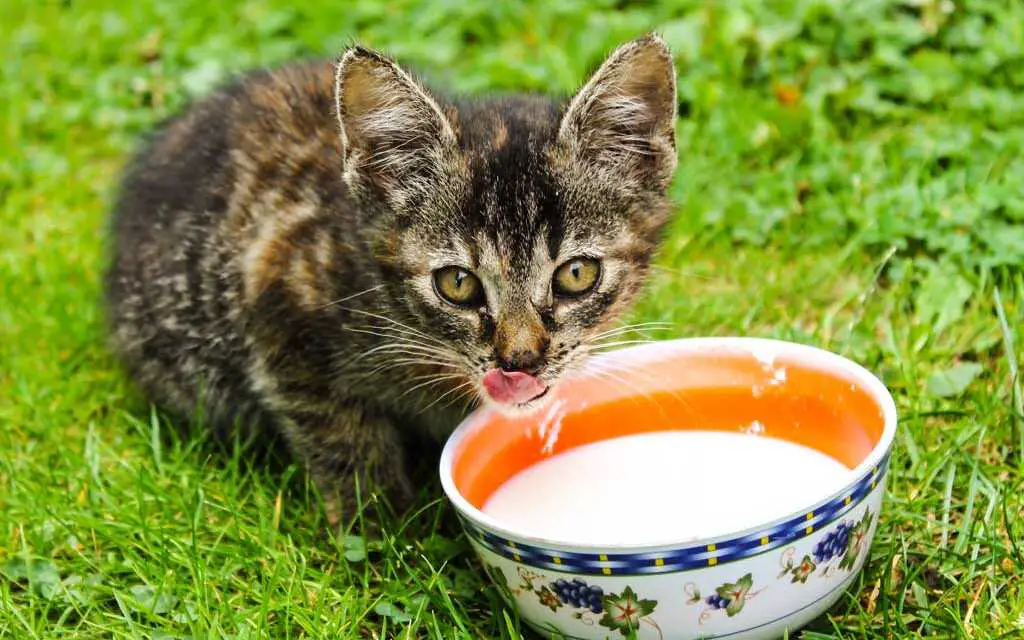
To help them get used to solid food, start by offering small portions. During this weaning period, your kitten might refuse the offered food, so you can give it milk (kitten formula) at first to increase acceptance.
Best food for your kitten
There are several types of food available to feed a kitten. Once your baby cat is weaned, you can provide it with food in pouches, trays, cans, and even dry or fresh food.
Treats are also recommended as they help maintain your kitten’s dental health. It is up to you to choose between dry or wet food to feed your kitten.
- Provide protein, mineral, and vitamin-rich food for your kitten
Your kitten’s growth depends on the food you provide. It is important to give it food rich in vitamins and minerals. Avoid depriving them of animal-based proteins, as they are crucial for a kitten.
These proteins contain essential amino acids. Due to their small stomachs, kittens need to eat small portions frequently. Give them easily digestible food that provides all the necessary nutrients.
- Provide energy-rich food for your kitten
For proper growth, they need energy. If you do not provide energy-rich food, your kitten may not have enough stamina for play, which is crucial for a healthy digestive system. Without proper nutrition, your kitten might end up overloading its stomach and intestines.
- Provide kibble or wet food for your kitten
These foods are essential for your kitten’s development. High-quality kibble has major benefits for kittens, as it can be left out all day without spoiling, allowing your kitten to eat at its own pace.
Kibble also promotes the development and strengthening of a kitten’s teeth. You can also give your kitten wet food as a dietary supplement. Digestible kibble is considered the best foundation for a kitten’s diet.
Feeding a kitten by age
Just like humans, a kitten’s body becomes stronger with growth. Therefore, their diet must be adapted accordingly. A kitten’s diet evolves with its age.
- 1-month-old kitten
During the first weeks of life, your kitten is in an imprinting phase. This is when you should introduce different feeding methods. Start incorporating wet or dry food into its diet so it can adapt.
Ensure it receives the necessary minerals and vitamins for growth. The kitten will follow its mother when she approaches the food bowl, so make sure to provide high-quality kibble and wet food.
- 2-month-old kitten
At this age, your kitten’s digestive system is still fragile and small. It still needs frequent small meals throughout the day, as its appetite remains high. Maintain consistent feeding times. Provide kibble and give 1 to 2 fresh pouches of 100g per day, along with 25 to 40g of kibble daily.
- 3-month-old kitten
At 3 months, your kitten still has its baby teeth, and its digestive system is not fully developed. Continue the same feeding routine as when it was 2 months old: 40 to 50g of kibble per day and fresh pouches in the same quantity.
- 4-month-old kitten
From this age, your kitten enters a slower growth phase, which helps strengthen its skeleton and develop its muscles. It requires more energy-rich food.
Since it will be more active, this is also when its baby teeth start to fall out. Provide 55g of kibble per day along with 2 fresh pouches of 100g each. Your kitten will eat between 10 to 20 small meals throughout the day.
- 5-month-old kitten
The quantity of kibble increases according to the kitten’s growth, reaching 55 to 60g per day. You may also introduce additional food.
- 6-month-old kitten
Your kitten should receive at least three main meals, including one in the evening. The recommended kibble quantity is 75g per day.
Kitten bottle feeding
To get a kitten feeding bottle, visit a pharmacy or a veterinarian. Avoid using cow’s milk to feed your kitten. The best milk for a baby kitten is specialized kitten formula.
This milk is rich in proteins and fats. Kitten formula contains three times the lactose of regular milk. Serve it warm, not hot, to prevent burning your kitten’s tongue.
Feeding a sterilized kitten
A sterilized kitten requires a specific diet to maintain its health. After sterilization, your kitten’s metabolism changes, altering its dietary needs. Energy requirements decrease by 20 to 30%.
If you are not careful with its diet, your kitten could gain excessive weight. You can find specially formulated kibble for sterilized cats on the market.
How much food should you give your kitten?
The amount of food your kitten needs depends on its age and weight. Here is a guideline for food quantity based on these factors:
- 1-month-old kitten: 25 to 40g/day of kibble. A 100-calorie intake, spread over 5 meals.
- 2-month-old kitten: 40 to 50g/day of kibble. A 200-calorie intake, spread over 4 meals.
- 3-month-old kitten: 55g/day of kibble. A 250-calorie intake, spread over 4 meals.
- 4-month-old kitten: 55 to 60g/day of kibble. A 300-calorie intake, spread over 4 meals.
- 5-month-old kitten: 60 to 70g/day of kibble. A 325-calorie intake, spread over 4 meals.
- 6-month-old to 1-year-old kitten: 75g/day of kibble. A 350-calorie intake, spread over 3 meals.