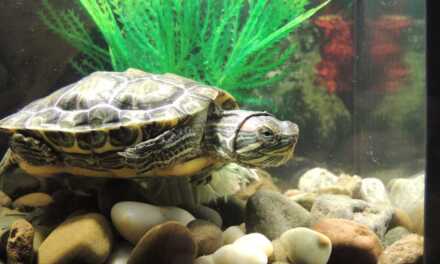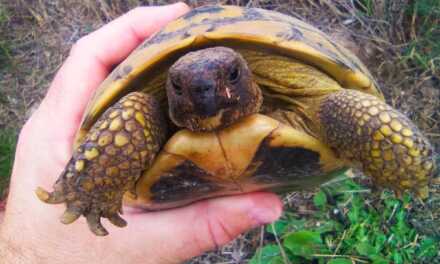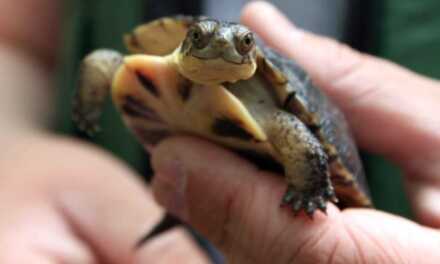
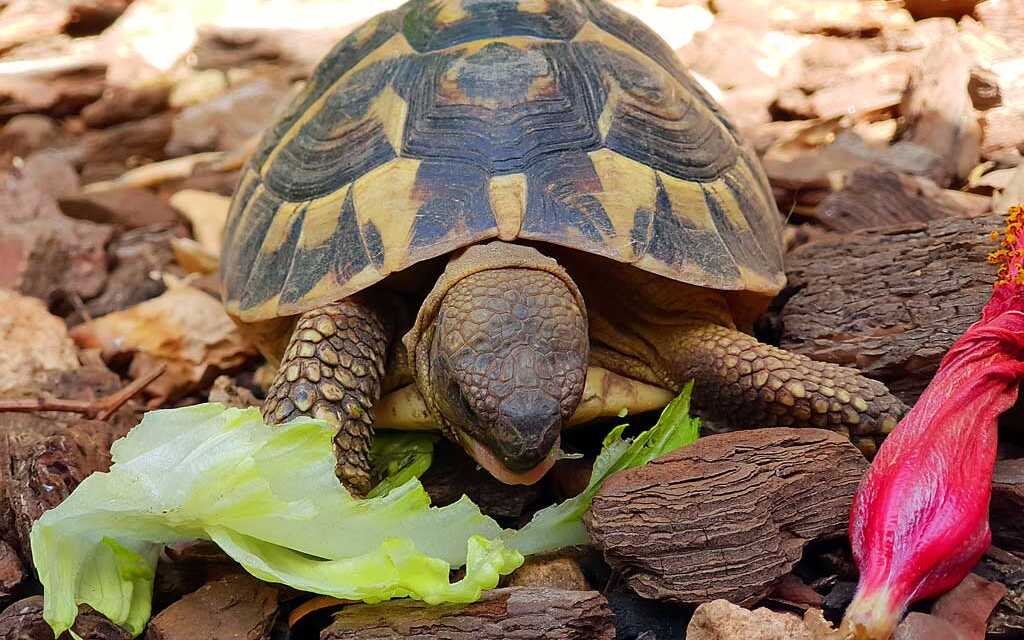
Turtles are fascinating and long-lived pets that require proper care, including a balanced and nutritious diet. Feeding your turtle the right food and in the right amounts is crucial for its health and well-being.
Let’s discuss how to feed your turtle properly to ensure it stays healthy and happy.
Understand Your Turtle’s Diet
Different species of turtles have different dietary needs. Before feeding your turtle, it is important to understand its natural diet. Some turtles are herbivores, while others are omnivores or carnivores. Knowing what your turtle would eat in the wild will help you provide a balanced and nutritious diet.
Commercial Turtle Food
Commercial turtle food is available in the market and can be a convenient option for pet owners. Choose high-quality turtle food that contains a variety of nutrients and vitamins. Avoid feeding your turtle too much commercial food, as it can lead to obesity and other health problems.
Live Food and Treats
Live food such as crickets, mealworms, and earthworms are a great source of protein for turtles. Treats such as small amounts of fruits, vegetables, and cooked meat can also be given occasionally. It is important to ensure that live food and treats are clean and free from pesticides or other harmful chemicals.
Fresh Water
Turtles need clean and fresh water to drink and swim in. Provide a shallow water dish for your turtle to drink from and swim in. Change the water daily to prevent the growth of harmful bacteria.
Vitamin and Mineral Supplements
Turtles require a balanced diet that includes vitamins and minerals. Some turtles may not get enough nutrients from their regular diet, so it is important to supplement their diet with vitamin and mineral supplements. Consult with a veterinarian to determine the right type and amount of supplement for your turtle.
Feeding Frequency
The frequency of feeding depends on the age and size of the turtle. Younger turtles may need to be fed more frequently than adult turtles. As a general rule, turtles should be fed every other day, and the amount of food should be about the size of its head.
Feeding Techniques
When feeding your turtle, avoid hand-feeding or dropping food directly into the water. This can cause the turtle to mistake your fingers for food and lead to injuries. Place the food on a shallow dish or on a rock in the water, allowing the turtle to feed at its own pace.
Conclusion
Feeding your turtle the right food and in the right amounts is essential for its health and well-being. A balanced diet that includes commercial food, live food, and treats, along with fresh water and vitamin supplements, will ensure your turtle stays healthy and happy.
Understanding your turtle’s dietary needs and following the feeding guidelines will help you provide the best care for your pet. Consult with a veterinarian if you have any questions or concerns about your turtle’s diet.