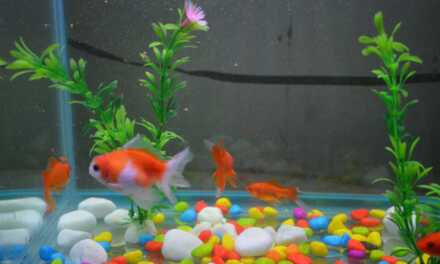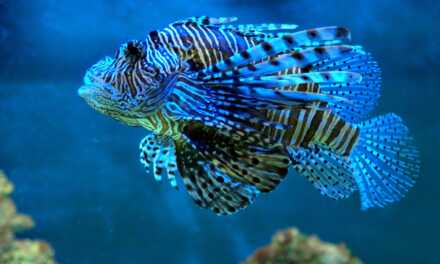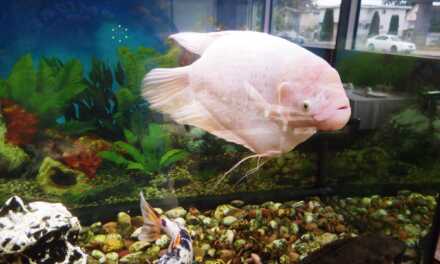

Setting up an aquarium can be a rewarding experience, but it requires proper planning and maintenance to ensure a healthy environment for your fish. A well-maintained aquarium not only looks beautiful but also promotes the well-being of its inhabitants. Follow this guide to create and sustain a thriving aquatic ecosystem.
Setting Up Your Aquarium
1. Choose the Right Tank Size
Beginners should start with a tank of at least 20 gallons. Larger tanks are more stable in terms of water parameters, making them easier to maintain. A larger volume of water helps dilute toxins and provides more room for fish to swim comfortably.
2. Select a Suitable Location
Place your aquarium away from direct sunlight, heating vents, and air conditioners. Sudden temperature changes and excessive algae growth can harm your fish. Ensure that the surface is level and sturdy enough to support the weight of the tank when filled with water, decorations, and equipment.
3. Install Essential Equipment
- Filter: Keeps water clean by removing waste and toxins, ensuring a healthy environment.
- Heater: Maintains a stable water temperature for tropical fish, preventing stress and illness.
- Lighting: Supports plant growth and enhances the aquarium’s appearance while providing a natural day-night cycle for fish.
- Substrate: Provides a base for plants and beneficial bacteria that help break down waste.
4. Cycle Your Tank
Before adding fish, establish a nitrogen cycle to develop beneficial bacteria that break down toxins. This process usually takes a few weeks. Adding ammonia sources, such as fish food or bottled bacteria, can speed up this cycle.
Choosing the Right Fish
1. Research Fish Compatibility
Not all fish can live together peacefully. Choose species that have similar water temperature and temperament requirements. Some fish are territorial and may not coexist well with others.
2. Avoid Overstocking
Overcrowding can lead to poor water quality and stressed fish. Follow the general rule of one inch of fish per gallon of water. However, this depends on the species, as some fish produce more waste than others.
Maintaining a Healthy Aquarium
1. Perform Regular Water Changes
Replace 20-30% of the water every week to remove waste and keep water parameters stable. Use a dechlorinator when adding tap water to neutralize harmful chemicals.
2. Clean the Tank Properly
- Gravel Vacuum: Removes debris and uneaten food from the substrate.
- Algae Scraper: Keeps the glass clean and free from algae buildup, improving visibility.
- Filter Maintenance: Clean or replace filter media as needed to ensure proper water circulation and filtration.
3. Monitor Water Parameters
Regularly test ammonia, nitrite, nitrate, and pH levels using an aquarium test kit. Keeping these parameters balanced is crucial for fish health. Sudden changes in water conditions can lead to stress and diseases.
4. Feed Your Fish Properly
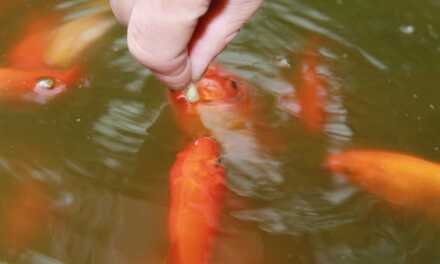
Overfeeding leads to poor water quality. Offer small amounts of food that your fish can consume within two minutes. Vary their diet by including flakes, pellets, live food, or frozen food to meet their nutritional needs.
5. Watch for Signs of Disease
Fish can get sick if water conditions are poor or if they are stressed. Look out for symptoms such as lethargy, loss of appetite, unusual swimming patterns, or visible spots and discoloration. Quarantine new fish before adding them to your main tank to prevent the spread of diseases.
Conclusion
Setting up and maintaining a healthy aquarium requires patience and consistency. By selecting the right tank, choosing compatible fish, and performing regular maintenance, you can create a beautiful and thriving underwater world. A well-kept aquarium is not only a joy to observe but also provides a safe and comfortable home for your aquatic pets. With proper care, your fish can live long and healthy lives. Happy fishkeeping!