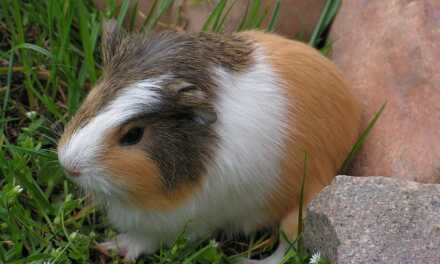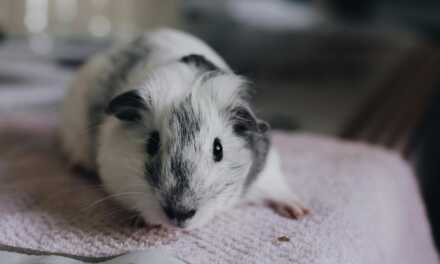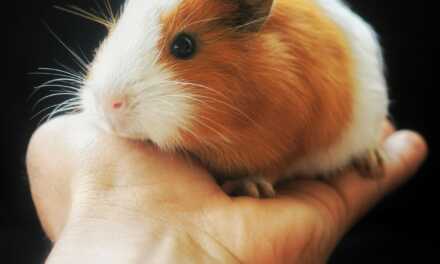
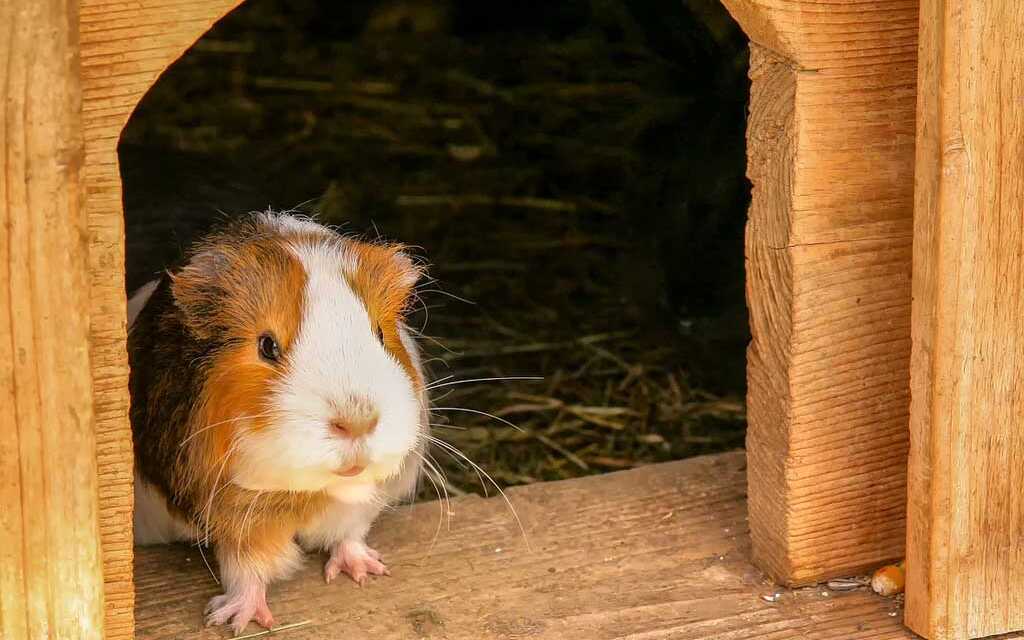
Guinea pigs are adorable, social, and intelligent pets that require a well-structured and comfortable habitat to thrive. Setting up the perfect guinea pig cage involves choosing the right size, bedding, accessories, and layout to ensure your pet’s happiness and well-being. A proper setup will also help prevent health issues and promote natural behaviors. Follow this guide to create an ideal environment for your furry friend.
Choosing the Right Cage Size
Guinea pigs need ample space to move around, exercise, and explore. A small cage can lead to stress and health issues, such as obesity and boredom. The recommended minimum cage size for one or two guinea pigs is:
- For one guinea pig: At least 7.5 square feet (30” x 36”)
- For two guinea pigs: At least 10.5 square feet (30” x 50”)
- For three guinea pigs: At least 13 square feet (30” x 62”)
- Larger cages are always better to encourage natural behaviors and activity.
Avoid wire-bottom cages as they can hurt your guinea pig’s feet, leading to a painful condition called bumblefoot. Instead, choose a cage with a solid base and high sides to prevent bedding from spilling out. C&C (Cubes and Coroplast) cages are a great choice as they are spacious, easy to clean, and customizable.
Selecting the Best Bedding
Bedding plays a crucial role in maintaining hygiene and comfort in your guinea pig’s cage. The best bedding options include:
- Paper-based bedding: Soft, absorbent, and dust-free, making it a popular choice for odor control.
- Aspen wood shavings: Safe and odor-controlling, unlike pine or cedar, which contain harmful aromatic oils.
- Fleece liners: Reusable, eco-friendly, and comfortable, but they require regular washing to stay clean.
Avoid scented or clumping bedding, as these can cause respiratory issues. Always ensure that the bedding is deep enough to allow your guinea pig to burrow and nest comfortably.
Essential Cage Accessories
To keep your guinea pig happy and healthy, provide the following accessories inside the cage:
Food and Water Containers:
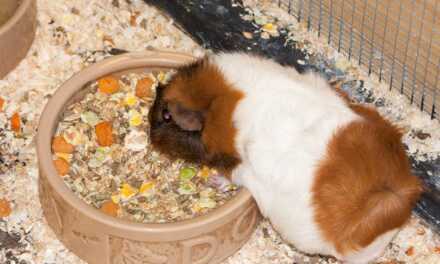
Use a heavy, tip-resistant ceramic bowl for pellets and a hanging water bottle with a sipper tube to ensure a steady water supply.
Hiding Spots:
Guinea pigs need hideouts to feel secure. Provide small houses, tunnels, or even cardboard boxes. Multiple hiding spots are recommended if you have more than one guinea pig to prevent territorial disputes.
Toys and Enrichment:
Include chew toys, tunnels, and platforms to encourage activity and mental stimulation. Wooden chew toys help keep their teeth from overgrowing.
Hay Rack:
Guinea pigs require constant access to hay, which makes up 80% of their diet. A hay rack helps keep the hay clean and prevents waste.
Proper Cage Placement
Where you place the cage is just as important as its setup. Keep the following in mind:
- Place the cage in a quiet area away from direct sunlight and drafts.
- Maintain a temperature range between 65°F and 75°F (18°C – 24°C).
- Ensure the area is safe from other pets, such as dogs or cats, that may stress your guinea pig.
- Avoid placing the cage on the floor in high-traffic areas to reduce noise and disturbances.
Guinea pigs are social animals and enjoy human interaction, so placing their cage in a common living space (but away from loud noises) can help them feel included.
Cleaning and Maintenance
A clean cage is essential for your guinea pig’s health. Follow these maintenance tips:
Daily Tasks:
Spot clean the cage by removing soiled bedding, uneaten food, and droppings. Check the water bottle to ensure it’s clean and filled.
Weekly Tasks:
Perform a full cage clean by replacing all bedding, washing accessories, and disinfecting surfaces. Fleece liners should be washed at least twice a week.
Monthly Tasks:
Deep clean the cage, scrub down all surfaces with pet-safe disinfectant, and check for any damage or wear on accessories.
Final Thoughts
Providing the perfect cage for your guinea pig ensures they stay healthy, active, and happy. A spacious, well-maintained, and enriching environment will allow your pet to thrive. By following these guidelines, you can create a safe and comfortable home for your furry companion. Remember that guinea pigs are social animals, so consider adopting them in pairs to prevent loneliness. With the right care, they can live a happy and fulfilling life.