Dogs are loyal companions and have been bred for centuries for specific purposes like hunting or guarding. Training a dog for these roles requires patience, dedication, and consistency.
Let’s discuss the necessary steps to train your dog to become a successful hunting or guard dog.
Step 1: Choose the Right Breed
Selecting the right breed is crucial for training a successful hunting or guard dog.
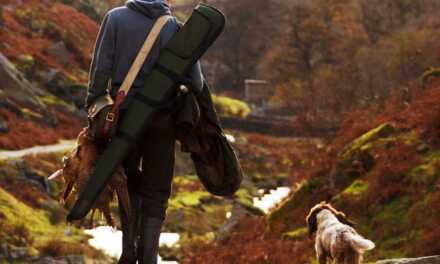
Hunting dogs must have an exceptional sense of smell, agility, and a willingness to work with their handler. Popular breeds for hunting include Labrador Retrievers, Beagles, and German Shorthaired Pointers.
Guard dogs must be protective, alert, and obedient. Popular breeds for guarding include German Shepherds, Rottweilers, and Doberman Pinschers.
It is essential to choose a breed that matches your lifestyle, training goals, and experience.
Step 2: Socialization
Socialization is crucial for any dog, but it is especially important for hunting and guard dogs. Proper socialization will help your dog learn appropriate behavior and interact safely with people, animals, and new environments.
Socialization should begin early and continue throughout the dog’s life. Introduce your dog to different people, animals, and environments, and monitor their behavior to ensure they are comfortable and confident.
Step 3: Basic Obedience Training
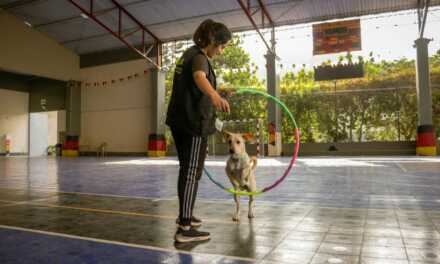
Basic obedience training is the foundation of all dog training. This training includes teaching your dog to come when called, sit, stay, and walk on a leash.
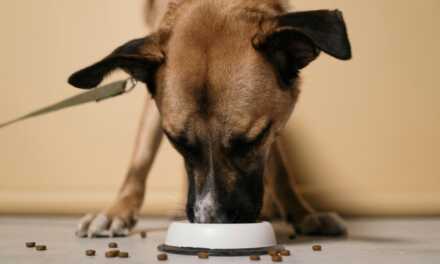
A well-trained dog is essential for both hunting and guarding, and obedience training is a crucial part of this process. Use positive reinforcement techniques such as treats and praise to encourage your dog’s good behavior.
Step 4: Specific Training
After your dog has mastered basic obedience, it’s time to move on to specific training.
For hunting dogs, this may include teaching them to retrieve, track scents, and respond to specific commands related to hunting.
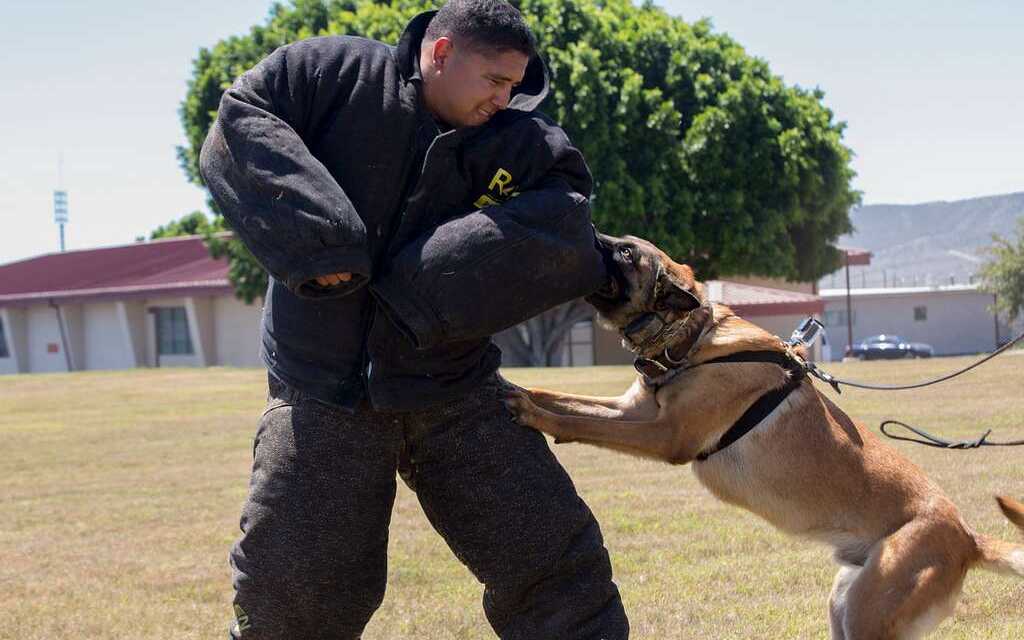
For guard dogs, this may include teaching them to bark on command, guard objects or people, and respond to specific threats.
Specific training should be done gradually and with patience, always using positive reinforcement techniques to encourage good behavior.
Step 5: Reinforcement
Training a hunting or guard dog is an ongoing process, and it is essential to reinforce their training regularly. Reinforcement can include positive reinforcement such as treats and praise or negative reinforcement such as a firm “no” or withholding treats.
Consistency is key, and training should be reinforced daily. Always reward your dog’s good behavior and avoid punishment or harsh corrections.
Step 6: Practice Makes Perfect
Training a hunting or guard dog requires a lot of practice. It is essential to train your dog regularly and expose them to different scenarios and environments.
Practice hunting in different locations and with different prey, or practice guarding in different environments with different threats.
The more your dog practices, the better they will become. It is crucial to remain patient and consistent with your training and to monitor your dog’s progress closely.
Conclusion
Training a hunting or guard dog is a rewarding experience that requires patience, dedication, and consistency. Choose the right breed for the job, socialize your dog, and provide them with basic obedience training before moving on to specific training.
Reinforce their training regularly, and practice in different scenarios and environments. With time and dedication, your dog will become an excellent hunting or guard dog and an invaluable companion. Remember to always use positive reinforcement techniques and avoid punishment or harsh corrections.