Taking care of a turtle can be a rewarding and fulfilling experience. Whether you’re a first-time turtle owner or looking to refresh your knowledge, this guide will provide you with everything you need to know about turtle care. From choosing the right species to providing a healthy environment, we’ve got you covered.
Choosing the Right Turtle Species
Before you bring a turtle into your home, it’s important to understand the different species and their specific needs. Each turtle species has its own requirements in terms of habitat, diet, and care. Here are some popular types of turtles:
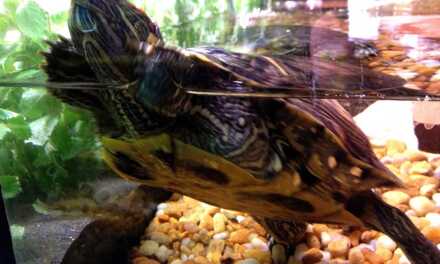
- Red-Eared Slider: One of the most common pet turtles, these are aquatic turtles that require a large tank with water and a basking area.
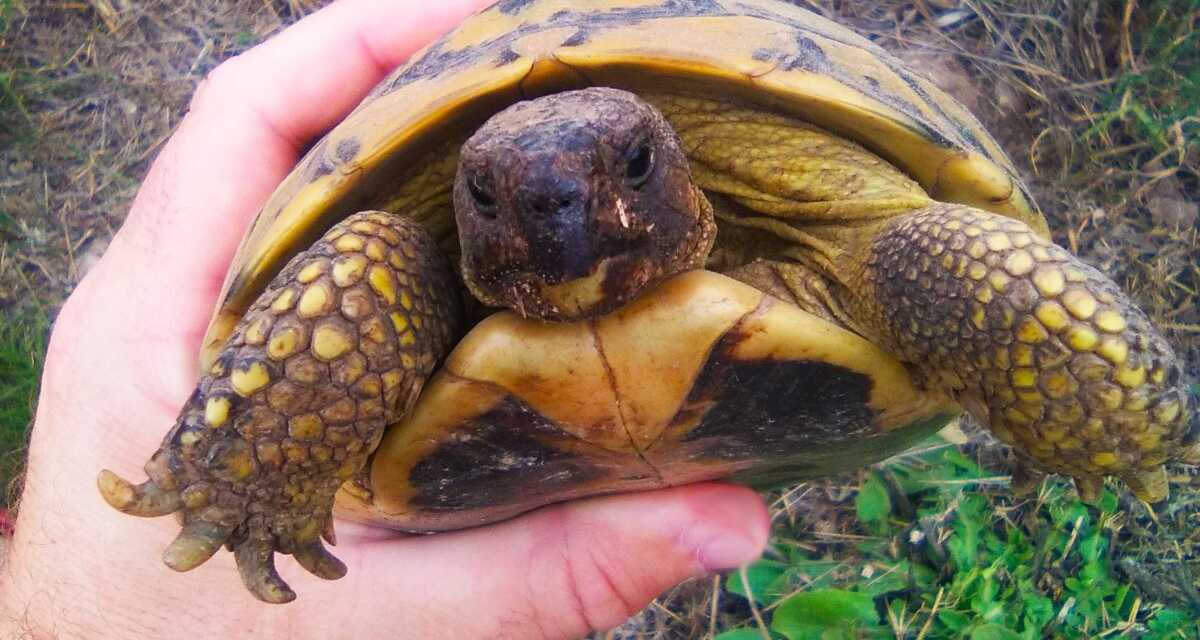
- Box Turtle: These are land turtles that need a dry habitat with access to water for drinking and soaking.
- Snapping Turtle: Known for their strong jaws, these turtles are typically kept in larger, secure enclosures and require a primarily aquatic environment.
Setting Up the Perfect Habitat
Creating the right habitat is essential for your turtle’s health and well-being. Whether your turtle is aquatic or terrestrial, its enclosure must meet specific needs:
- Tank Size: Turtles need ample space to move around. The larger the tank, the better. As a general rule, the tank should be at least 10 gallons for each inch of the turtle’s size.
- Water Conditions: If you have an aquatic turtle, make sure the water is clean and the temperature is consistent. Use a water filter and change the water regularly. The water temperature should be between 75°F to 80°F (24°C to 27°C).
- Basking Area: Turtles need to bask to regulate their body temperature. Provide a dry area with access to heat lamps that maintain temperatures of 85°F to 90°F (29°C to 32°C).
- UVB Lighting: Turtles need UVB light to help them synthesize vitamin D3, which is essential for their shell and bone health. Ensure they receive 10-12 hours of UVB exposure daily.
Feeding Your Turtle
Proper nutrition is key to keeping your turtle healthy. Different species have different dietary needs, but here are general guidelines for feeding your turtle:
- Variety is Key: Turtles are omnivores, so their diet should include a mix of protein (such as insects, fish, or pellets) and plant matter (like leafy greens, vegetables, and fruits).
- Commercial Turtle Food: You can supplement their diet with high-quality turtle pellets, which are specifically designed to provide balanced nutrition.
- Fresh Water: Always provide fresh water for your turtle to drink, and make sure the water is changed regularly to prevent bacteria growth.
Maintaining Your Turtle’s Health
Regular care is necessary to keep your turtle healthy. Here are some essential tips for maintaining your turtle’s well-being:
- Shell Care: A turtle’s shell is crucial for its protection. Avoid handling your turtle excessively, as this can stress them. Clean the shell occasionally with a soft brush to remove debris.
- Monitor Their Behavior: Keep an eye on your turtle’s eating habits, activity level, and overall behavior. A loss of appetite, lethargy, or changes in shell appearance may indicate a health problem.
- Veterinary Care: Regular check-ups with a reptile vet are important for long-term health. A vet can help identify and treat common turtle diseases like respiratory infections and shell rot.
Handling and Interaction
While turtles are not as interactive as some other pets, they still benefit from occasional interaction. However, it’s important to handle them gently and minimally:
- Avoid Overhandling: Turtles are not as social as other animals, so overhandling can cause them stress. Handle your turtle only when necessary and always do so gently.
- Respect Their Space: Allow your turtle to retreat to its hiding spots when it feels threatened or overwhelmed. This helps them feel secure and reduces stress.
Conclusion
Caring for a turtle requires attention to detail and a commitment to providing a suitable habitat, proper diet, and health maintenance. By following this guide, you’ll ensure that your turtle thrives in its environment and lives a long, healthy life. Remember that each turtle species has its unique needs, so be sure to research and provide the care your specific turtle requires. With the right care, your turtle can be a delightful companion for many years.