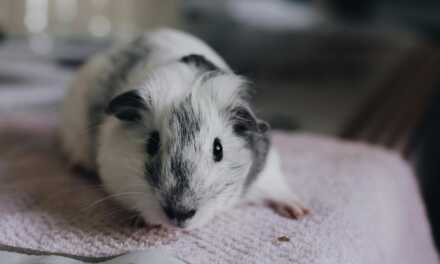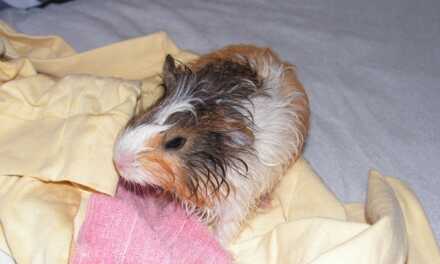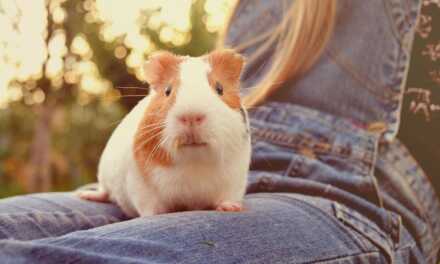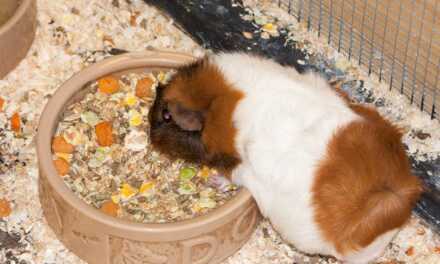
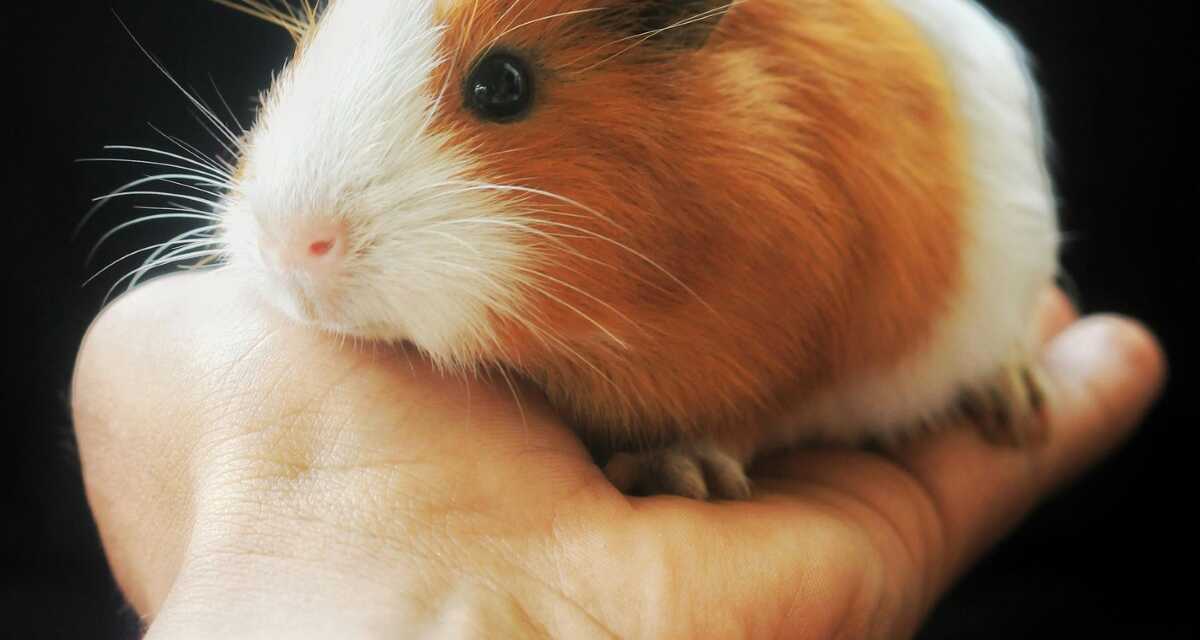
Guinea pigs are adorable, social, and intelligent pets that require proper care to stay happy and healthy. Whether you are a new owner or looking to improve your knowledge, this guide will help you provide the best care for your furry friend. A well-cared-for guinea pig can live between five to eight years, making it essential to understand their needs fully.
Setting Up the Perfect Habitat
A guinea pig’s home plays a crucial role in its overall well-being. Ensure that you provide a spacious, clean, and comfortable environment. The right setup will keep them happy and prevent stress-related illnesses.
Essential habitat requirements:
- A large cage (minimum 7.5 square feet for one or two guinea pigs, more space is always better).
- Safe bedding (avoid cedar or pine shavings, opt for paper-based or fleece bedding).
- Fresh hay, which is crucial for digestion and dental health.
- A hideout for privacy and security, as guinea pigs need a place to retreat.
- Clean water provided in a bottle or bowl, changed daily.
- Toys and tunnels to keep them active and entertained.
Proper Diet and Nutrition
A well-balanced diet is essential for a guinea pig’s health. They require specific nutrients to thrive, including vitamin C, which they cannot produce on their own. Without sufficient vitamin C, they may develop scurvy, a serious health condition.
Key components of a guinea pig’s diet:
- High-quality hay (such as Timothy hay) should be available at all times, as it supports digestion and dental health.
- Fresh vegetables like bell peppers, cucumbers, and leafy greens such as romaine lettuce.
- Limited amounts of pellets fortified with vitamin C, ensuring they receive essential nutrients.
- Fresh fruits as occasional treats (avoid citrus and high-sugar fruits like grapes and bananas).
- Plenty of fresh, clean water daily to prevent dehydration.
Health and Grooming
Regular grooming and health checks can help prevent common issues such as overgrown nails, dental problems, and infections. Guinea pigs are relatively low-maintenance but still require routine care.
Important grooming and health care tips:
- Trim nails every few weeks to prevent overgrowth, which can cause pain and mobility issues.
- Brush their fur regularly, especially for long-haired breeds like Peruvian or Silkie guinea pigs.
- Monitor for signs of illness, such as loss of appetite, weight loss, or lethargy.
- Provide safe chew toys to help maintain dental health, as their teeth never stop growing.
- Visit a vet experienced with small animals for routine check-ups and vaccinations if necessary.
Socialization and Enrichment
Guinea pigs are highly social animals that thrive on companionship and interaction. Proper socialization ensures they remain happy and stress-free. Without a companion, a guinea pig can become lonely and depressed.
Ways to keep your guinea pig engaged:
- House them in pairs or small groups to prevent loneliness, as they are naturally herd animals.
- Provide tunnels, hideouts, and chew toys for stimulation and exercise.
- Allow supervised floor time outside the cage daily to explore safely.
- Talk to them and handle them gently to build trust and strengthen your bond.
- Introduce new experiences gradually to avoid stress, such as different play areas and fresh foods.
Final Thoughts
Caring for a guinea pig requires dedication, but the joy and companionship they bring make it all worthwhile. By ensuring a proper diet, a safe environment, and plenty of social interaction, you can give your guinea pig a happy and fulfilling life. Guinea pigs are loving, expressive pets that communicate through different sounds and behaviors. With the right care, these lovable pets can be part of your family for many years to come. Always remember that a well-cared-for guinea pig is a happy guinea pig!