
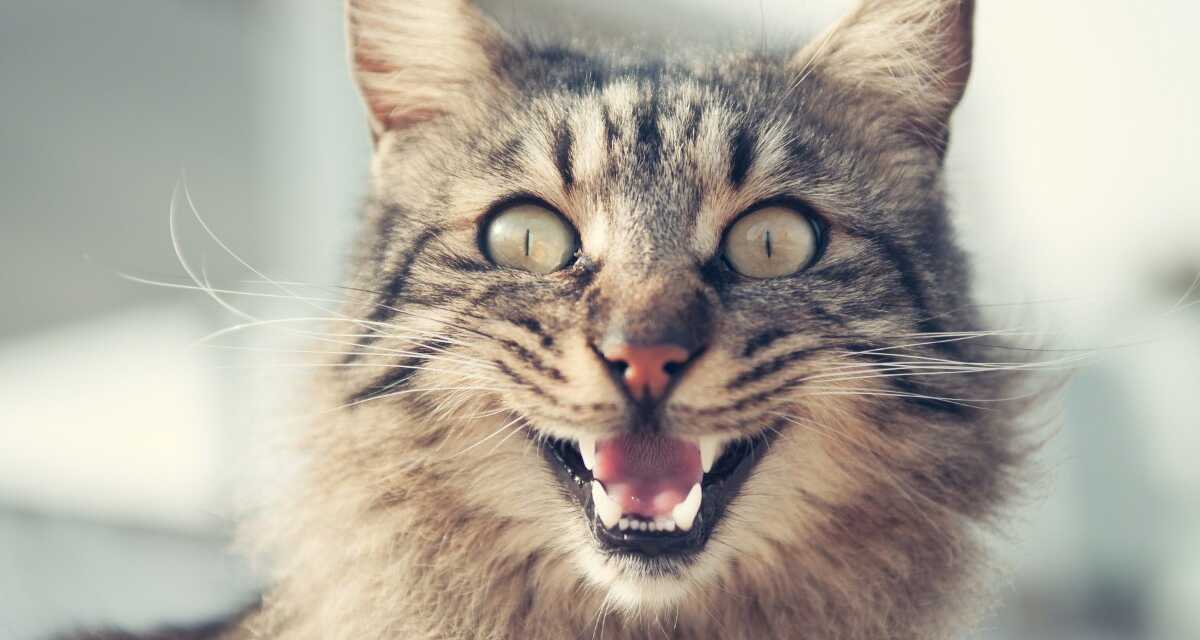
Cats communicate primarily through body language. Unlike dogs, their expressions and gestures can be subtle, making it crucial to understand their signals to build a stronger bond with them. By paying attention to their posture, tail movements, ears, and eyes, you can better interpret how your feline friend is feeling. Learning these signals can also help prevent misunderstandings and avoid situations that may cause stress or aggression.
Tail Movements and Their Meanings
The tail is one of the most expressive parts of a cat’s body. Observing how your cat moves its tail can give you great insight into its emotions.
Common tail signals include:
- Upright tail with a slight curl: Your cat is feeling friendly and confident. This is often seen when your cat greets you or another familiar companion.
- Puffed-up tail: Indicates fear or aggression. Cats do this to appear larger and more intimidating to potential threats.
- Slowly swaying tail: Your cat is focused or deep in thought, often seen when they are stalking prey or a toy.
- Rapid, whipping tail: A sign of irritation or frustration. If your cat’s tail is moving this way, it may be best to give them some space.
- Tail tucked between legs: Your cat feels scared or anxious, usually in response to an unfamiliar or threatening situation.
Understanding Ear Positions
A cat’s ears are highly expressive and can shift rapidly depending on its mood. Paying attention to their position can help you gauge your cat’s emotional state.
Interpreting ear positions:
- Ears forward: Your cat is alert and curious. This is common when they hear an interesting sound or are investigating something new.
- Ears slightly tilted back: This can indicate relaxation or mild annoyance. If combined with other signals, such as a swishing tail, it may be a sign of irritation.
- Ears flat against the head: A sign of fear, aggression, or extreme irritation. This is often accompanied by hissing or growling.
- Ears swiveling: Your cat is listening carefully to its surroundings, especially when detecting unfamiliar or sudden noises.
Eye Contact and Blinking
Unlike humans, cats use their eyes to express a wide range of emotions. Staring, blinking, and pupil size can reveal a lot about what they are feeling.
Key eye signals:
Slow blinking: If your cat slowly blinks at you, it’s a sign of trust and affection. You can return the gesture by blinking slowly back at them.
Wide pupils: This could mean excitement, fear, or even aggression, depending on the situation. It’s commonly seen during play or moments of high energy.
Squinting: Often indicates that your cat is relaxed and comfortable, especially when they are basking in the sun or cuddling with you.
Direct staring: In cat language, this can be a challenge or a sign of dominance. If your cat stares at another pet intensely, it may be asserting control.
Body Posture and Behavior
Your cat’s overall posture and movements also tell a story. Whether your cat is lying down, crouching, or arching its back, each position can indicate different emotions.
Common postures to look for:
Relaxed, lying on its side: Your cat feels safe and at ease. This is a good sign that your home environment is comfortable for them.
Arched back with fur standing up: A sign of fear or a defensive stance. This is often seen when a cat encounters an unfamiliar animal.
Crouching with ears back: Your cat may feel threatened or nervous. This posture indicates they are assessing a situation and preparing to flee if necessary.
Rolling onto back: This can be a sign of trust, but it doesn’t always mean your cat wants belly rubs! Some cats enjoy it, while others may react defensively if touched.
Conclusion
Understanding your cat’s body language is key to building a strong and trusting relationship. By observing their tail, ears, eyes, and posture, you can gain valuable insight into their emotions and respond accordingly. The more you pay attention to these signals, the better you will understand your feline companion’s needs and moods. This knowledge will help create a more harmonious environment for both you and your beloved pet.