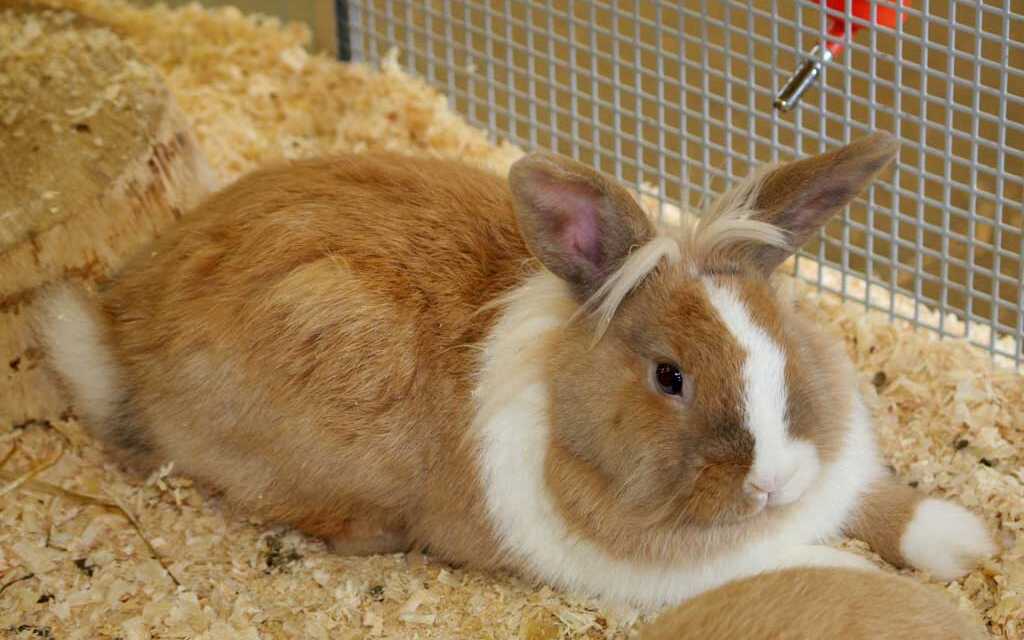
The cage of a rabbit consists of a significant number of elements that ensure its well-being. One of these elements is the litter. It occupies a large part of the floor. Your rabbit is in frequent contact with this litter.
The cleanliness and quality of this litter are essential for the physical and psychological health of the animal. There are several types of litter available. Which litter should you choose for your rabbit? The choice of litter is very important. Discover with us the different types of litter.
The choice of litter for your rabbit
There are many types of plant-based litters available on the market. Each of these litters has its own characteristics, advantages, and disadvantages.
Plant-based litters
- Wood shavings litter: These are plant-based litters. Various types of wood are used in their production, including pine, cedar, poplar, and beech. Once inside your rabbit’s cage, wood shavings provide a comfortable bedding for your rabbit. They are a suitable bedding for a dwarf rabbit.
Pine wood shavings are too light and can spread everywhere when cleaning the rabbit’s cage. They can also have a strong smell. Wood shavings are inexpensive, except those made from beech or poplar wood. - Hemp litter: This plant-based litter is ideal for dwarf rabbits. It is often considered the best litter for them. A true bedding for dwarf rabbits, it is one of the most recommended litters.
Hemp litter has similar characteristics to pine shavings, but with heavier and thicker pieces. Though more expensive, hemp litter is suitable for dwarf rabbits because it does not cause injuries to their paws.
The downside is that active rabbits may kick pieces of hemp litter out of their cage. If you choose hemp litter, be prepared for frequent clean-ups. - Hay: This is not recommended as a cage litter for rabbits. It should only be used to feed the rabbit in a hay rack and to build a nest for a pregnant rabbit.
- Straw litter: This type of litter does not scatter too much when cleaning. Soft and gentle, it does not cause paw injuries to your rabbit. However, it struggles to retain moisture despite being dry. It is affordable and can be repurposed after being removed from the rabbit’s cage.
- Newspaper: This is the most economical type of litter. However, it does not absorb odors or liquids. You can use it as a base layer under hemp or straw litter.
- Pine shavings: Although this type of litter is inexpensive, it should be avoided for dwarf rabbits. Pine shavings are toxic to rabbits, as they produce dust that can severely harm their respiratory system.
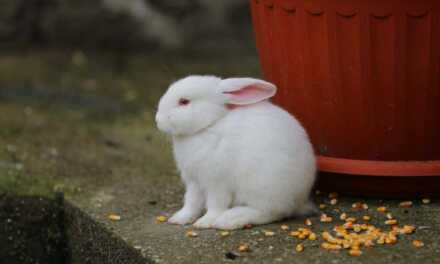
- Corn litter: This type of litter is more compact and practical. It comes in pellet form and is heavier than hemp litter. Because of its weight, it does not get scattered easily. It is recommended for rabbits that are very active. Using corn litter reduces the need for frequent sweeping. However, it is not easy to find in stores.
The litter box for your dwarf rabbit
The litter box is essential in a rabbit’s cage. It is a designated area placed inside the cage to collect your pet’s urine and droppings.
Your rabbit needs a clean litter box in its cage. You should install it as soon as your rabbit arrives, allowing it to quickly adapt to using the litter box for hygiene purposes.
Choosing a litter box for your rabbit
There are different types of litter boxes available, including plastic trays, ones with or without lids, and even those with grates. Choose a litter box based on your environment and your rabbit’s needs.
Make sure to select a litter box that is safe for your furry friend. If you notice that your dwarf rabbit is chewing on its litter box, ensure that it does not contain harmful plastic fragments.
Remove any parts that might pose a risk to your pet. A cat litter box can also be a good option, but make sure it is not too small for your rabbit. You can also use a litter box when taking your rabbit out for walks.