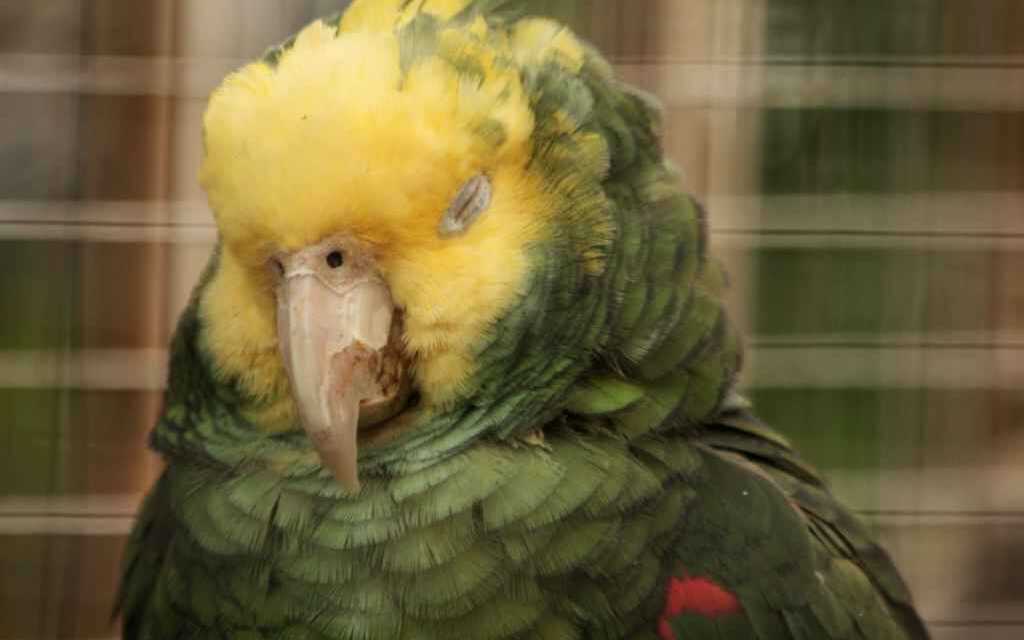
Parrots are beautiful, intelligent and fascinating birds, that make for wonderful companions. However, like any living creature, they may display some worrying symptoms that can cause concern for their owners. One such symptom is shaking, which can be a sign of an underlying health issue or a behavioral problem.
Let’s discuss the possible causes of shaking in parrots and what to do if you notice this behavior in your feathered friend.
Possible Causes of Shaking in Parrots
There are various reasons why a parrot might start shaking, ranging from benign to severe. Here are some of the most common causes:
- Cold temperature: If your parrot is feeling cold, it may start to shake or tremble. This is a natural response to regulate its body temperature.
- Fear or stress: Parrots are intelligent animals that can feel fear and stress just like humans. If they are frightened or anxious, they may start to shake or tremble. This could be due to a new environment, loud noises, or changes in routine.
- Illness: Shaking can also be a symptom of an underlying health issue. Some of the common illnesses that can cause shaking in parrots include viral or bacterial infections, parasitic infestations, or neurological disorders.
- Pain: If your parrot is experiencing pain or discomfort, it may shake or shiver. This could be due to an injury, illness, or a problem with its feet, beak or wings.
- Nutritional deficiency: Parrots require a specific diet that is rich in nutrients and vitamins. A deficiency in any of these essential nutrients can cause shaking and other health problems.
What to Do if Your Parrot is Shaking?
If you notice your parrot shaking, it is important to take action promptly. Here are some steps you can take:
- Observe your parrot: Monitor your parrot’s behavior closely to see if the shaking persists or if there are any other symptoms such as lethargy, loss of appetite or changes in droppings.
- Check the environment: Ensure that your parrot’s living environment is comfortable and free of any potential stressors. Check the temperature, lighting, and noise levels to ensure that they are optimal for your bird’s wellbeing.
- Consult a veterinarian: If you suspect that your parrot is ill, consult a veterinarian immediately. They will perform a physical examination, run diagnostic tests and recommend a treatment plan.
- Review your parrot’s diet: Ensure that your parrot is receiving a balanced and nutritious diet that is appropriate for its age and species. Consult a veterinarian or a bird nutritionist for advice on the best diet for your parrot.
- Provide mental and physical stimulation: Parrots are intelligent animals that require mental and physical stimulation to thrive. Provide your parrot with toys, puzzles, and activities that stimulate its mind and body.
Conclusion
Shaking in parrots can be a sign of a health issue or a behavioral problem. It is important to identify the cause of the shaking and take appropriate action to address it.
Monitor your parrot closely, ensure that its living environment is comfortable and free of stressors, consult a veterinarian if necessary, review its diet, and provide mental and physical stimulation. With proper care and attention, your parrot can lead a happy and healthy life.